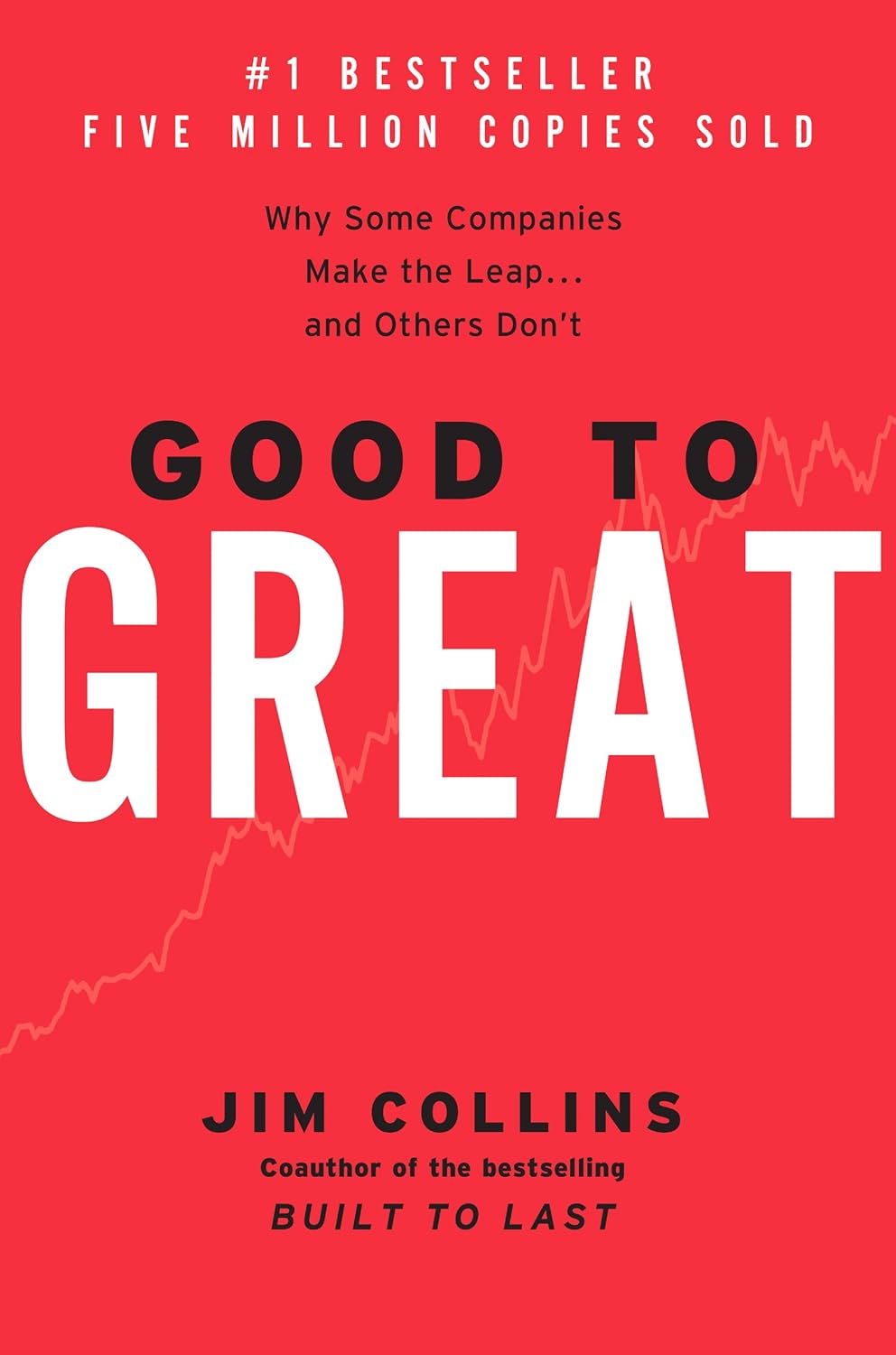
Takeaways people can pass on
These cards are tuned for social discoverability: one clean idea, one strong visual treatment, and one tap to share on mobile.
Good to Great
by Jim Collins
Being "good" creates complacency that stifles ambition and change.
Turn the useful part of the book into something worth passing on.
Being "good" creates complacency that stifles ambition and change.
Share with the ReadSprint source so others can read the context.
Good to Great
by Jim Collins
Greatness requires rigorous, sustained effort and disciplined choices over time.
Turn the useful part of the book into something worth passing on.
Greatness requires rigorous, sustained effort and disciplined choices over time.
Share with the ReadSprint source so others can read the context.
Good to Great
by Jim Collins
The research identifies a small set of companies that made the leap and sustained it, showing that greatness is achievable but uncommon.
Turn the useful part of the book into something worth passing on.
The research identifies a small set of companies that made the leap and sustained it, showing that greatness is achievable but uncommon.
Share with the ReadSprint source so others can read the context.
Good to Great
by Jim Collins
Challenge comfort and set a clear intention to pursue greatness rather than settle for good.
Turn the useful part of the book into something worth passing on.
Challenge comfort and set a clear intention to pursue greatness rather than settle for good.
Share with the ReadSprint source so others can read the context.
Good to Great
by Jim Collins
The chapter frames the book’s central premise: overcoming the inertia of "good enough" is the first step toward lasting transformation; this is relevant to any leader or organization seeking breakthrough improvement.
Turn the useful part of the book into something worth passing on.
The chapter frames the book’s central premise: overcoming the inertia of "good enough" is the first step toward lasting transformation; this is relevant to any leader or organization seeking breakthrough improvement.
Share with the ReadSprint source so others can read the context.
Good to Great
by Jim Collins
Good is a comfortable, common state that prevents organizations from pursuing the much rarer and harder state of greatness. Collins argues that settling for good outcomes blocks the discipline and leadership required to achieve sustained s…
Turn the useful part of the book into something worth passing on.
Good is a comfortable, common state that prevents organizations from pursuing the much rarer and harder state of greatness. Collins argues that settling for good outcomes blocks the discipline and leadership required to achieve sustained superior results.
Share with the ReadSprint source so others can read the context.
Good to Great
by Jim Collins
Level 5 leaders are modest, reserved, and focused on long
Turn the useful part of the book into something worth passing on.
Level 5 leaders are modest, reserved, and focused on long
Share with the ReadSprint source so others can read the context.
Good to Great
by Jim Collins
term results rather than personal praise.
Turn the useful part of the book into something worth passing on.
term results rather than personal praise.
Share with the ReadSprint source so others can read the context.
Good to Great
by Jim Collins
They show fierce resolve to do whatever it takes to make the company great.
Turn the useful part of the book into something worth passing on.
They show fierce resolve to do whatever it takes to make the company great.
Share with the ReadSprint source so others can read the context.
Good to Great
by Jim Collins
They create conditions for lasting success by developing strong teams and effective systems.
Turn the useful part of the book into something worth passing on.
They create conditions for lasting success by developing strong teams and effective systems.
Share with the ReadSprint source so others can read the context.
Good to Great
by Jim Collins
Develop or hire leaders who demonstrate humility plus relentless resolve for the organization’s success.
Turn the useful part of the book into something worth passing on.
Develop or hire leaders who demonstrate humility plus relentless resolve for the organization’s success.
Share with the ReadSprint source so others can read the context.
Good to Great
by Jim Collins
Leadership quality—especially a blend of humility and will—is a key predictor of sustained organizational greatness and should shape leadership selection and development.
Turn the useful part of the book into something worth passing on.
Leadership quality—especially a blend of humility and will—is a key predictor of sustained organizational greatness and should shape leadership selection and development.
Share with the ReadSprint source so others can read the context.