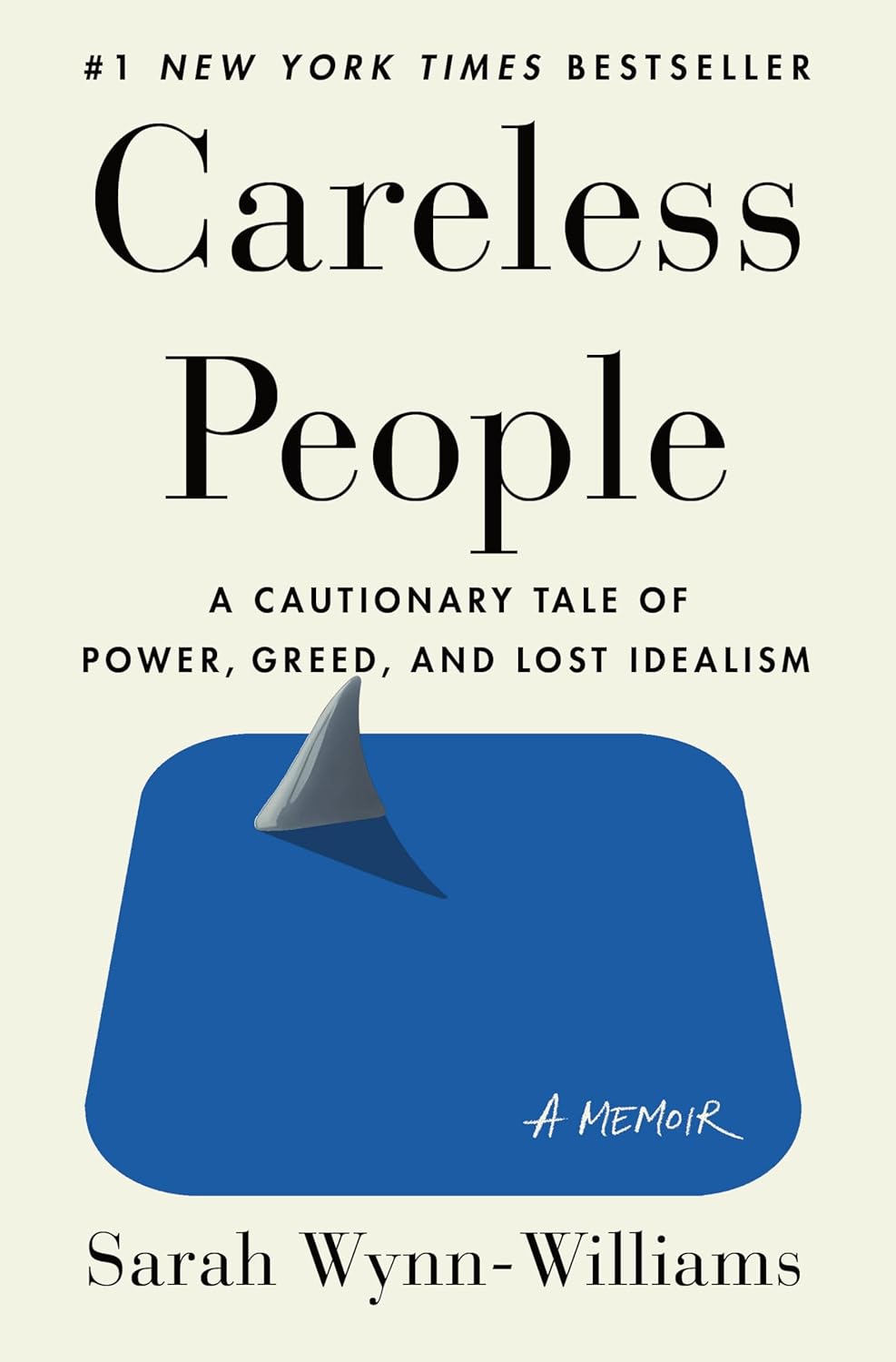
ReadSprintBooksCareless PeopleCareless People Key Concepts and Core Ideas
Careless People
Careless People Key Concepts and Core Ideas

Careless People Key Concepts and Core Ideas

by Sarah Wynn-Williams

Understand the core concepts in Careless People by Sarah Wynn-Williams, with explanations, recall prompts, related books, and connected learning paths.

This page isolates the core concepts carrying Careless People. Use it when you want to understand the book’s mental models, not just skim the chapter sequence.

Built for retention

ReadSprint combines concise summaries, quizzes, active recall, and related reading paths so the useful part of the book is easier to keep.

Open full summary

10

Chapter summaries

5

Quiz questions

12

Key takeaways

0

Related books

Concept map

These are the ideas doing most of the work inside Careless People. Study them as reusable mental models, then jump back into chapters or questions when you want more context.

Concept 1

The Illusion of Power

The opening chapter sets the stage by exploring the allure of power and how it often leads individuals to make reckless decisions. The author reflects on personal experiences where the pursuit of power overshadowed ethical considerations.

Why it matters: This chapter introduces the central theme of the book: the dangers of unchecked ambition and the moral compromises it entails.

Supporting points

  • The seductive nature of power
  • Personal anecdotes of power struggles
  • Ethical dilemmas faced
Active recall prompt

How does the illusion of power change the way you would explain or apply Careless People?

Related chapter

The Illusion of Power

Concept 2

Greed and Its Discontents

This chapter delves into the destructive nature of greed, illustrating how it can consume individuals and lead to personal and professional downfall. The author shares stories of people who lost everything due to their insatiable desire for more.

Why it matters: Greed is portrayed as a corrosive force that undermines integrity and relationships, reinforcing the book's cautionary message.

Supporting points

  • The insatiable nature of greed
  • Real
  • life examples of greed leading to ruin
Active recall prompt

How does greed and its discontents change the way you would explain or apply Careless People?

Related chapter

Greed and Its Discontents

Concept 3

The Mirage of Idealism

Idealism is examined as a double-edged sword, capable of inspiring great change but also leading to disillusionment when reality falls short. The author recounts personal and historical examples of idealism gone awry.

Why it matters: This chapter highlights the importance of balancing dreams with reality, a recurring theme throughout the memoir.

Supporting points

  • The inspiring power of idealism
  • Disillusionment from unmet ideals
  • Historical examples of failed idealism
Active recall prompt

How does the mirage of idealism change the way you would explain or apply Careless People?

Related chapter

The Mirage of Idealism

Concept 4

The Cost of Ambition

Ambition is explored as a driving force that can lead to success or destruction. The author shares personal stories of ambition leading to both triumph and tragedy, emphasizing the need for balance.

Why it matters: Ambition is shown as a necessary but potentially dangerous trait, echoing the book's theme of caution in pursuit of success.

Supporting points

  • Ambition as a double
  • edged sword
  • Personal triumphs and failures
Active recall prompt

How does the cost of ambition change the way you would explain or apply Careless People?

Related chapter

The Cost of Ambition

Concept 5

The Fragility of Trust

Trust is depicted as a fragile yet essential component of relationships. The author discusses how breaches of trust can have lasting impacts, using personal and professional examples.

Why it matters: Trust is a recurring theme, underscoring its importance in maintaining healthy relationships and achieving long-term success.

Supporting points

  • The importance of trust in relationships
  • Consequences of broken trust
  • Rebuilding trust after betrayal
Active recall prompt

How does the fragility of trust change the way you would explain or apply Careless People?

Related chapter

The Fragility of Trust

Concept 6

The Illusion of Control

This chapter explores the human desire for control and how it often leads to frustration and disappointment. The author reflects on personal experiences where attempts to control outcomes backfired.

Why it matters: The illusion of control is a central theme, reminding readers of the importance of flexibility and adaptability.

Supporting points

  • The human need for control
  • Personal stories of control gone wrong
  • The futility of trying to control everything
Active recall prompt

How does the illusion of control change the way you would explain or apply Careless People?

Related chapter

The Illusion of Control

Concept 7

The Price of Success

Success is examined as a multifaceted concept that often comes with hidden costs. The author shares insights into the sacrifices made in the pursuit of success and the importance of defining personal success.

Why it matters: This chapter reinforces the book's message about the importance of defining success on one's own terms.

Supporting points

  • The multifaceted nature of success
  • Sacrifices made for success
  • Defining personal success
Active recall prompt

How does the price of success change the way you would explain or apply Careless People?

Related chapter

The Price of Success

Concept 8

The Burden of Expectations

Expectations, both self-imposed and external, are explored as burdens that can lead to stress and dissatisfaction. The author discusses strategies for managing expectations and finding contentment.

Why it matters: Expectations are shown as potential obstacles to happiness, aligning with the book's cautionary tone.

Supporting points

  • The weight of expectations
  • Personal stories of expectation
  • related stress
Active recall prompt

How does the burden of expectations change the way you would explain or apply Careless People?

Related chapter

The Burden of Expectations

Quiz checkpoints

Question 1

What is the main theme of the book 'Careless People'?

Question 2

Which chapter discusses the impact of greed?

Question 3

What is emphasized as a key component of personal development?

Practice retrieval

Key concepts

The Illusion of Power

This chapter introduces the central theme of the book: the dangers of unchecked ambition and the moral compromises it entails.

Greed and Its Discontents

Greed is portrayed as a corrosive force that undermines integrity and relationships, reinforcing the book's cautionary message.

The Mirage of Idealism

This chapter highlights the importance of balancing dreams with reality, a recurring theme throughout the memoir.

Open concept map

Author relationship system

Move from this author into connected writers, nearby themes, and any other books already in the ReadSprint library.

Turn Reading Into Recall

Keep Careless People review-ready instead of letting it fade.

This page is strongest when it becomes part of a review habit: save the summary, revisit the key takeaways, and use recall prompts before the next meeting, study block, or decision.

Save one strong takeaway instead of over-highlighting.
Use the questions page to test what actually stuck.
Return when the book becomes relevant again, not just when motivation is high.
See pricing
Get Book Review Notes

Get practical notes on remembering and reusing ideas from nonfiction books without building an overly heavy note system.

Retention workflow

Turn this page into a repeatable study loop

Move from summary to takeaways, test yourself with questions, revisit the concept map, and then continue into related books. That keeps Careless Peopleconnected instead of turning into a one-time skim.

Frequently asked questions

What are the key concepts in Careless People?

The key concepts here are distilled from the chapter summaries, major themes, and action-oriented takeaways so you can quickly see the ideas carrying the whole book.

How should I study these Careless People concepts?

Start by explaining each concept from memory, connect it to a chapter or example, and then test yourself with one active recall prompt before moving on.

How are the concepts connected to other books?

Use the related books and topic links on this page to find books that reinforce, challenge, or extend the same ideas from a different angle.