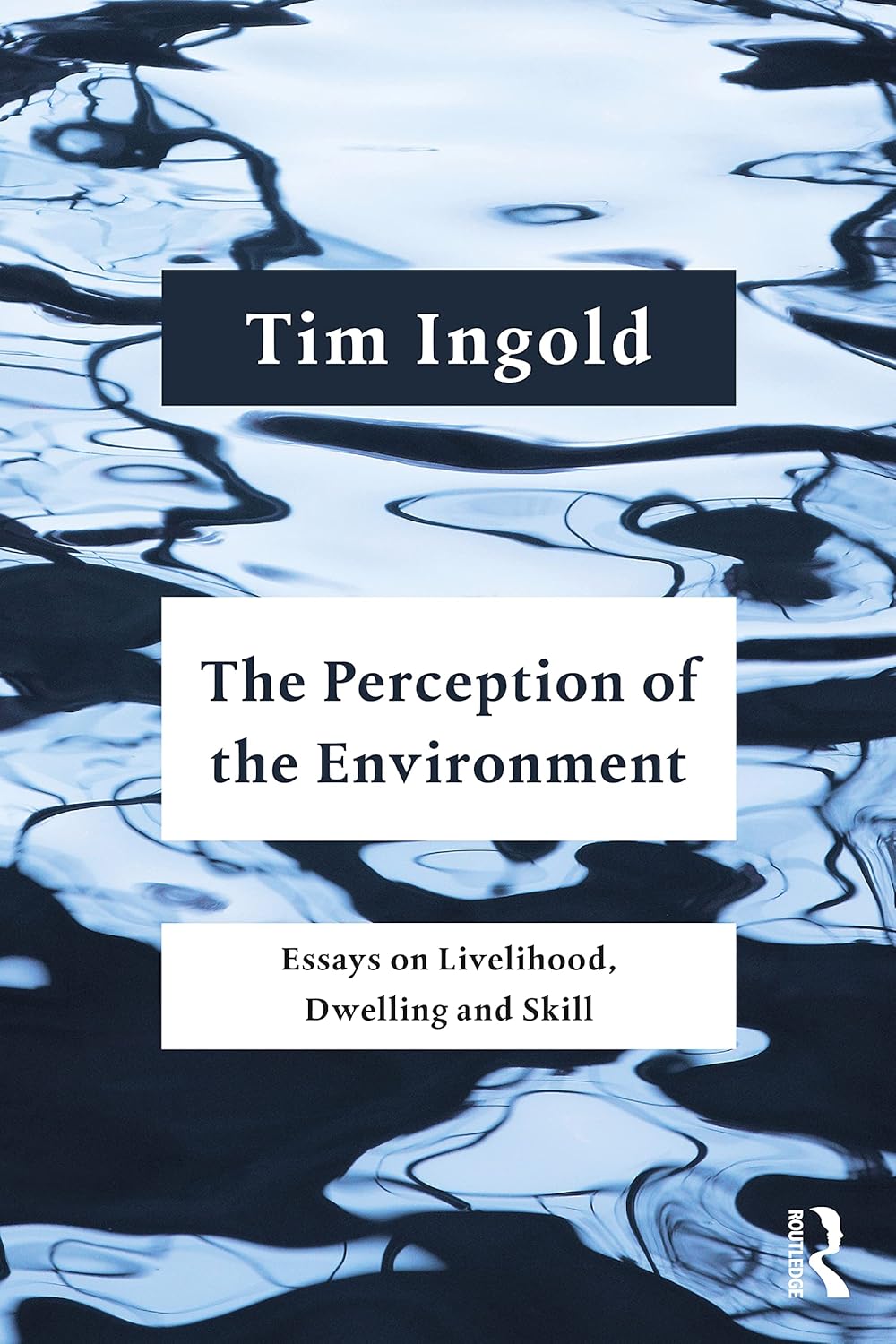
ReadSprintBooksThe Perception of the EnvironmentThe Perception of the Environment Key Concepts and Core Ideas
The Perception of the Environment
The Perception of the Environment Key Concepts and Core Ideas

The Perception of the Environment Key Concepts and Core Ideas

by Tim Ingold

Understand the core concepts in The Perception of the Environment by Tim Ingold, with explanations, recall prompts, related books, and connected learning paths.

This page isolates the core concepts carrying The Perception of the Environment. Use it when you want to understand the book’s mental models, not just skim the chapter sequence.

Built for retention

ReadSprint combines concise summaries, quizzes, active recall, and related reading paths so the useful part of the book is easier to keep.

Open full summary

5

Chapter summaries

5

Quiz questions

12

Key takeaways

0

Related books

Concept map

These are the ideas doing most of the work inside The Perception of the Environment. Study them as reusable mental models, then jump back into chapters or questions when you want more context.

Concept 1

Introduction to Environment Perception

This chapter introduces the concept of environment perception, exploring how humans interact with their surroundings through cultural and sensory experiences.

Why it matters: The chapter sets the stage for understanding how perception is not just a biological process but is deeply intertwined with cultural practices.

Supporting points

  • Definition of environment perception
  • Role of culture in shaping perception
  • Sensory experiences as a medium of interaction
Active recall prompt

How does introduction to environment perception change the way you would explain or apply The Perception of the Environment?

Related chapter

Introduction to Environment Perception

Concept 2

Livelihood and Environment

This chapter examines the relationship between livelihood practices and environmental perception, focusing on how different communities adapt to their surroundings.

Why it matters: The chapter highlights the dynamic interaction between human activities and environmental conditions, emphasizing adaptability.

Supporting points

  • Connection between livelihood and environment
  • Adaptation strategies of various communities
  • Impact of environment on economic activities
Active recall prompt

How does livelihood and environment change the way you would explain or apply The Perception of the Environment?

Related chapter

Livelihood and Environment

Concept 3

Dwelling and Place

Exploring the concept of dwelling, this chapter delves into how people create a sense of place and belonging through their interactions with the environment.

Why it matters: The chapter underscores the importance of place-making in human life, linking it to identity and community.

Supporting points

  • Definition of dwelling
  • Creation of place and belonging
  • Interaction with the environment as a form of dwelling
Active recall prompt

How does dwelling and place change the way you would explain or apply The Perception of the Environment?

Related chapter

Dwelling and Place

Concept 4

Skill and Environment Interaction

This chapter focuses on the development of skills through environmental interaction, illustrating how skills are both learned and applied in context.

Why it matters: The chapter emphasizes the reciprocal relationship between skill acquisition and environmental engagement.

Supporting points

  • Skill development through interaction
  • Contextual learning and application
  • Role of environment in shaping skills
Active recall prompt

How does skill and environment interaction change the way you would explain or apply The Perception of the Environment?

Related chapter

Skill and Environment Interaction

Concept 5

Conclusion: Integrating Perception and Practice

The concluding chapter synthesizes the insights from previous chapters, advocating for an integrated approach to understanding environment perception and human practices.

Why it matters: The chapter calls for a holistic view of human-environment interaction, bridging perception and practice.

Supporting points

  • Synthesis of environment perception and practice
  • Integrated approach to anthropology
  • Future directions for research
Active recall prompt

How does conclusion: integrating perception and practice change the way you would explain or apply The Perception of the Environment?

Related chapter

Conclusion: Integrating Perception and Practice

Quiz checkpoints

Question 1

What is the primary focus of the book?

Question 2

How does the book describe the relationship between livelihood and environment?

Question 3

What concept is central to the chapter on dwelling?

Practice retrieval

Key concepts

Introduction to Environment Perception

The chapter sets the stage for understanding how perception is not just a biological process but is deeply intertwined with cultural practices.

Livelihood and Environment

The chapter highlights the dynamic interaction between human activities and environmental conditions, emphasizing adaptability.

Dwelling and Place

The chapter underscores the importance of place-making in human life, linking it to identity and community.

Open concept map

Author relationship system

Move from this author into connected writers, nearby themes, and any other books already in the ReadSprint library.

Similar themes and topic pages

Use topic hubs and category pages to keep reading depth aligned with what this book is actually about.

Turn Reading Into Recall

Keep The Perception of the Environment review-ready instead of letting it fade.

This page is strongest when it becomes part of a review habit: save the summary, revisit the key takeaways, and use recall prompts before the next meeting, study block, or decision.

Save one strong takeaway instead of over-highlighting.
Use the questions page to test what actually stuck.
Return when the book becomes relevant again, not just when motivation is high.
See pricing
Get Book Review Notes

Get practical notes on remembering and reusing ideas from nonfiction books without building an overly heavy note system.

Retention workflow

Turn this page into a repeatable study loop

Move from summary to takeaways, test yourself with questions, revisit the concept map, and then continue into related books. That keeps The Perception of the Environmentconnected instead of turning into a one-time skim.

Frequently asked questions

What are the key concepts in The Perception of the Environment?

The key concepts here are distilled from the chapter summaries, major themes, and action-oriented takeaways so you can quickly see the ideas carrying the whole book.

How should I study these The Perception of the Environment concepts?

Start by explaining each concept from memory, connect it to a chapter or example, and then test yourself with one active recall prompt before moving on.

How are the concepts connected to other books?

Use the related books and topic links on this page to find books that reinforce, challenge, or extend the same ideas from a different angle.