Takeaways people can pass on
These cards are tuned for social discoverability: one clean idea, one strong visual treatment, and one tap to share on mobile.
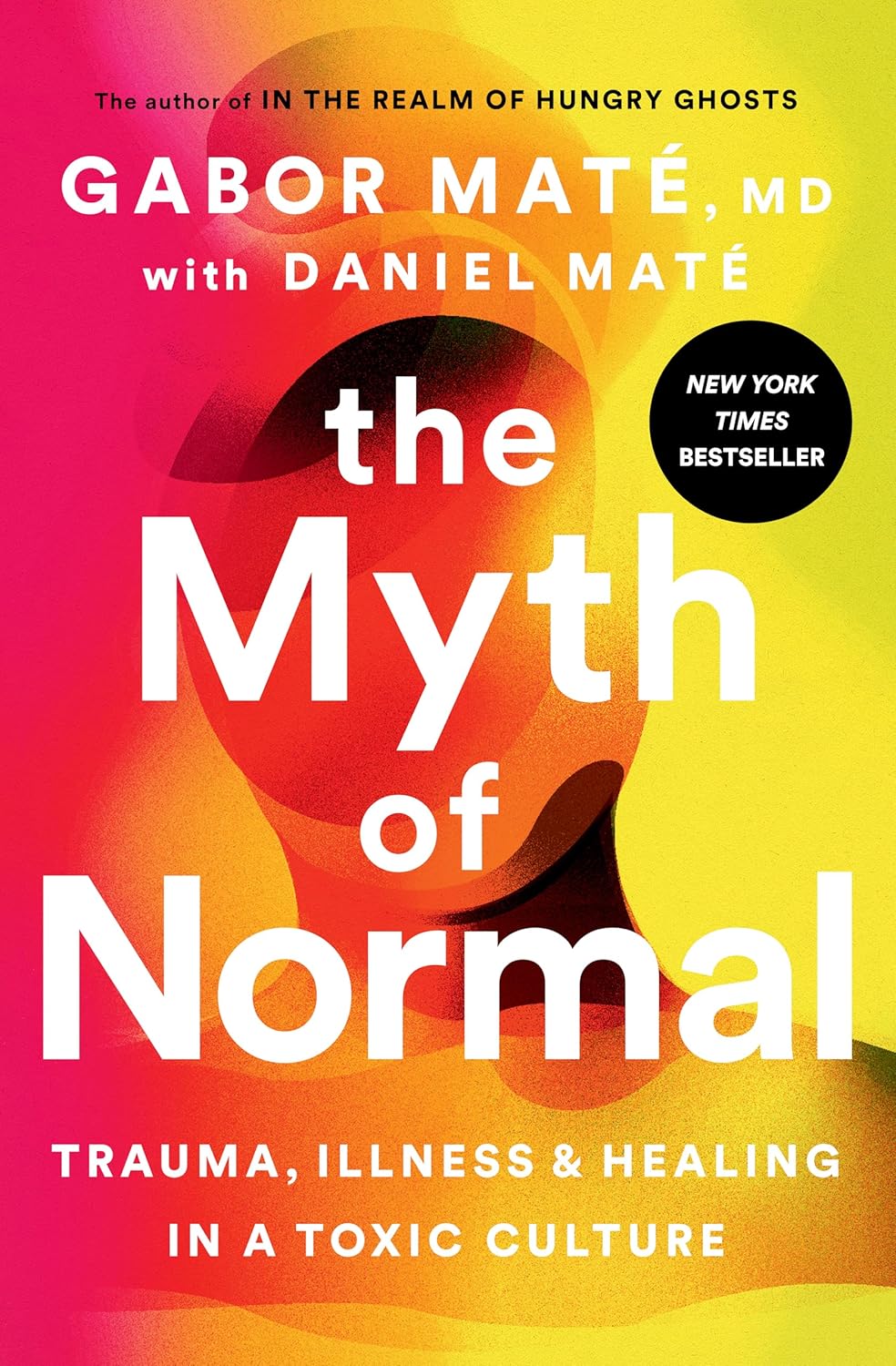
The Myth of Normal
by Gabor Maté with Daniel Maté
Society normalizes patterns of stress and emotional suppression that contribute to illness.
Turn the useful part of the book into something worth passing on.
Society normalizes patterns of stress and emotional suppression that contribute to illness.
Share with the ReadSprint source so others can read the context.
The Myth of Normal
by Gabor Maté with Daniel Maté
Medical and psychological systems often separate mind and body, obscuring root causes.
Turn the useful part of the book into something worth passing on.
Medical and psychological systems often separate mind and body, obscuring root causes.
Share with the ReadSprint source so others can read the context.
The Myth of Normal
by Gabor Maté with Daniel Maté
Early relational wounds have lifelong effects on physiology and behavior.
Turn the useful part of the book into something worth passing on.
Early relational wounds have lifelong effects on physiology and behavior.
Share with the ReadSprint source so others can read the context.
The Myth of Normal
by Gabor Maté with Daniel Maté
Start assessing health problems with attention to life history, relationships, and social context.
Turn the useful part of the book into something worth passing on.
Start assessing health problems with attention to life history, relationships, and social context.
Share with the ReadSprint source so others can read the context.
The Myth of Normal
by Gabor Maté with Daniel Maté
The introduction situates the reader to view illness through a biopsychosocial lens, emphasizing cultural drivers of disease that are relevant to clinicians, patients, and policymakers. It reframes personal suffering as often socially medi…
Turn the useful part of the book into something worth passing on.
The introduction situates the reader to view illness through a biopsychosocial lens, emphasizing cultural drivers of disease that are relevant to clinicians, patients, and policymakers. It reframes personal suffering as often socially mediated rather than purely individual.
Share with the ReadSprint source so others can read the context.
The Myth of Normal
by Gabor Maté with Daniel Maté
The Introduction frames the book's central argument: modern Western societies treat many stress- and trauma-related illnesses as individual pathologies rather than consequences of a toxic culture. It outlines the author's perspective linki…
Turn the useful part of the book into something worth passing on.
The Introduction frames the book's central argument: modern Western societies treat many stress- and trauma-related illnesses as individual pathologies rather than consequences of a toxic culture. It outlines the author's perspective linking childhood adversity, social disconnection, and present-day chronic disease in a concise overview.
Share with the ReadSprint source so others can read the context.
The Myth of Normal
by Gabor Maté with Daniel Maté
Normalcy is culturally constructed and can include harmful patterns of parenting, work, and social organization.
Turn the useful part of the book into something worth passing on.
Normalcy is culturally constructed and can include harmful patterns of parenting, work, and social organization.
Share with the ReadSprint source so others can read the context.
The Myth of Normal
by Gabor Maté with Daniel Maté
Medical definitions of health often ignore social determinants and trauma exposures.
Turn the useful part of the book into something worth passing on.
Medical definitions of health often ignore social determinants and trauma exposures.
Share with the ReadSprint source so others can read the context.
The Myth of Normal
by Gabor Maté with Daniel Maté
Viewing symptoms as individual faults perpetuates stigma and misdirects treatment.
Turn the useful part of the book into something worth passing on.
Viewing symptoms as individual faults perpetuates stigma and misdirects treatment.
Share with the ReadSprint source so others can read the context.
The Myth of Normal
by Gabor Maté with Daniel Maté
A shift in understanding is required to address root causes rather than surface manifestations.
Turn the useful part of the book into something worth passing on.
A shift in understanding is required to address root causes rather than surface manifestations.
Share with the ReadSprint source so others can read the context.
The Myth of Normal
by Gabor Maté with Daniel Maté
Begin questioning assumptions about what is "normal" in your environment and consider social and relational factors in health assessments.
Turn the useful part of the book into something worth passing on.
Begin questioning assumptions about what is "normal" in your environment and consider social and relational factors in health assessments.
Share with the ReadSprint source so others can read the context.
The Myth of Normal
by Gabor Maté with Daniel Maté
The chapter challenges readers to question taken-for-granted norms and to consider structural contributors to illness, a perspective relevant to public health and personal healing. It connects social critique to clinical implications.
Turn the useful part of the book into something worth passing on.
The chapter challenges readers to question taken-for-granted norms and to consider structural contributors to illness, a perspective relevant to public health and personal healing. It connects social critique to clinical implications.
Share with the ReadSprint source so others can read the context.