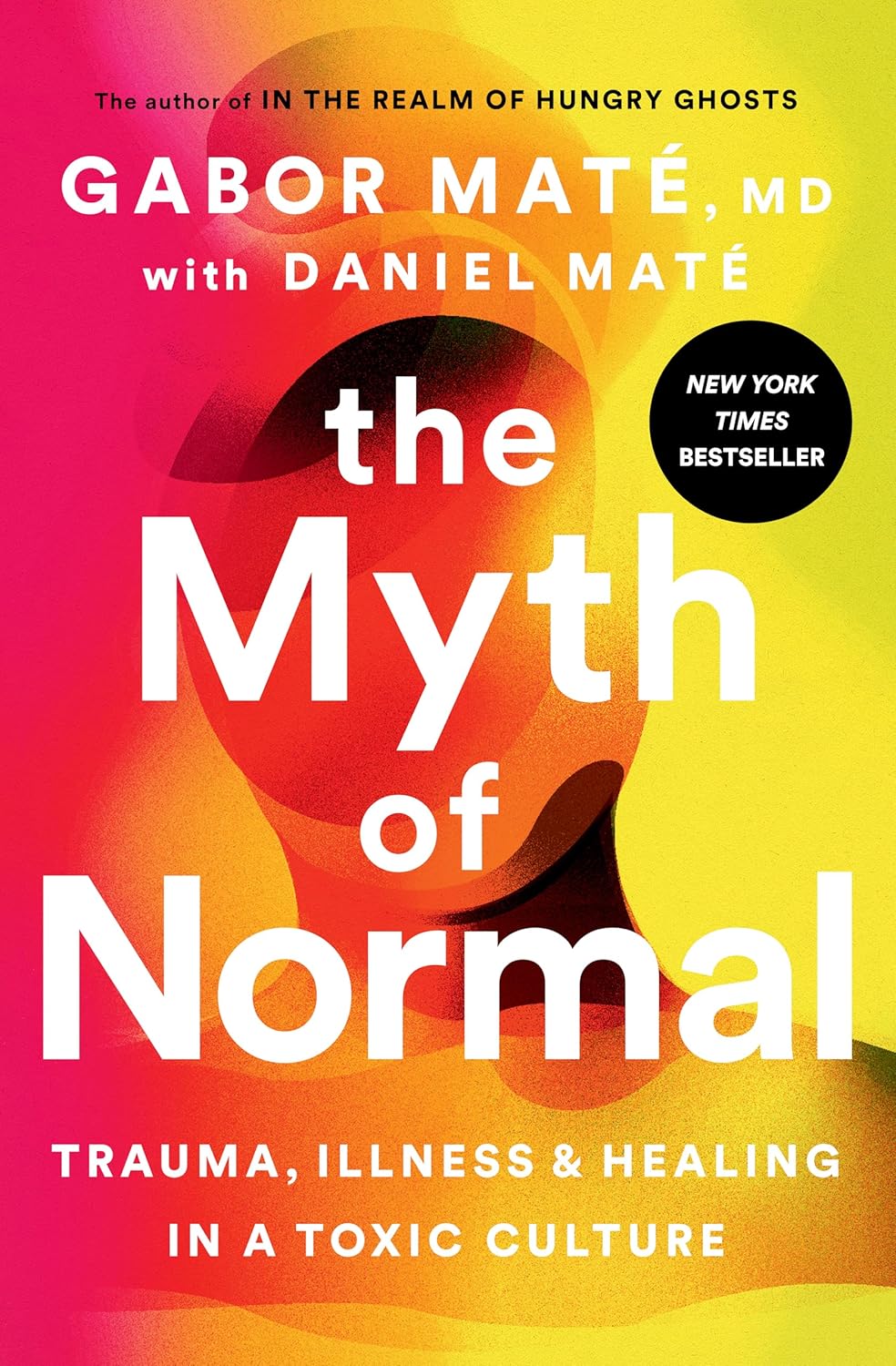
The Myth of Normal: ReadSprint summary highlights
ReadSprint paraphrases for review. These highlights are not verbatim quotations from the book or its author. Check the original edition for exact wording and context.
The Myth of Normal
by Gabor Maté with Daniel Maté
The Introduction frames the book's central argument: modern Western societies treat many stress- and trauma-related illnesses as individual pathologies rather than consequences of a toxic culture.
ReadSprint paraphrase · Not a quotation from the author.
The Introduction frames the book's central argument: modern Western societies treat many stress- and trauma-related illnesses as individual pathologies rather than consequences of a toxic culture.
Cultural norms and health.
Share with the ReadSprint source so others can read the context.
The Myth of Normal
by Gabor Maté with Daniel Maté
It outlines the author's perspective linking childhood adversity, social disconnection, and present-day chronic disease in a concise overview.
ReadSprint paraphrase · Not a quotation from the author.
It outlines the author's perspective linking childhood adversity, social disconnection, and present-day chronic disease in a concise overview.
It can lead to chronic health issues.
Share with the ReadSprint source so others can read the context.
The Myth of Normal
by Gabor Maté with Daniel Maté
Cultural norms and health.
ReadSprint paraphrase · Not a quotation from the author.
Cultural norms and health.
It influences both physical and mental well-being.
Share with the ReadSprint source so others can read the context.
The Myth of Normal
by Gabor Maté with Daniel Maté
It can lead to chronic health issues.
ReadSprint paraphrase · Not a quotation from the author.
It can lead to chronic health issues.
Rest and recovery.
Share with the ReadSprint source so others can read the context.
The Myth of Normal
by Gabor Maté with Daniel Maté
It influences both physical and mental well-being.
ReadSprint paraphrase · Not a quotation from the author.
It influences both physical and mental well-being.
Mindfulness.
Share with the ReadSprint source so others can read the context.
The Myth of Normal
by Gabor Maté with Daniel Maté
Rest and recovery.
ReadSprint paraphrase · Not a quotation from the author.
Rest and recovery.
The Introduction frames the book's central argument: modern Western societies treat many stress- and trauma-related illnesses as individual pathologies rather than consequences of a toxic culture. It outlines the author's perspective linking childhood adversity, social disconnection, and present-day chronic disease in a concise overview.
Share with the ReadSprint source so others can read the context.
Use these highlights to review the book
Which highlight from The Myth of Normal changes how you would explain the book to someone else?
Which lesson here is worth testing in a real decision this week?
Which highlight feels memorable but less actionable once you slow down and examine it?