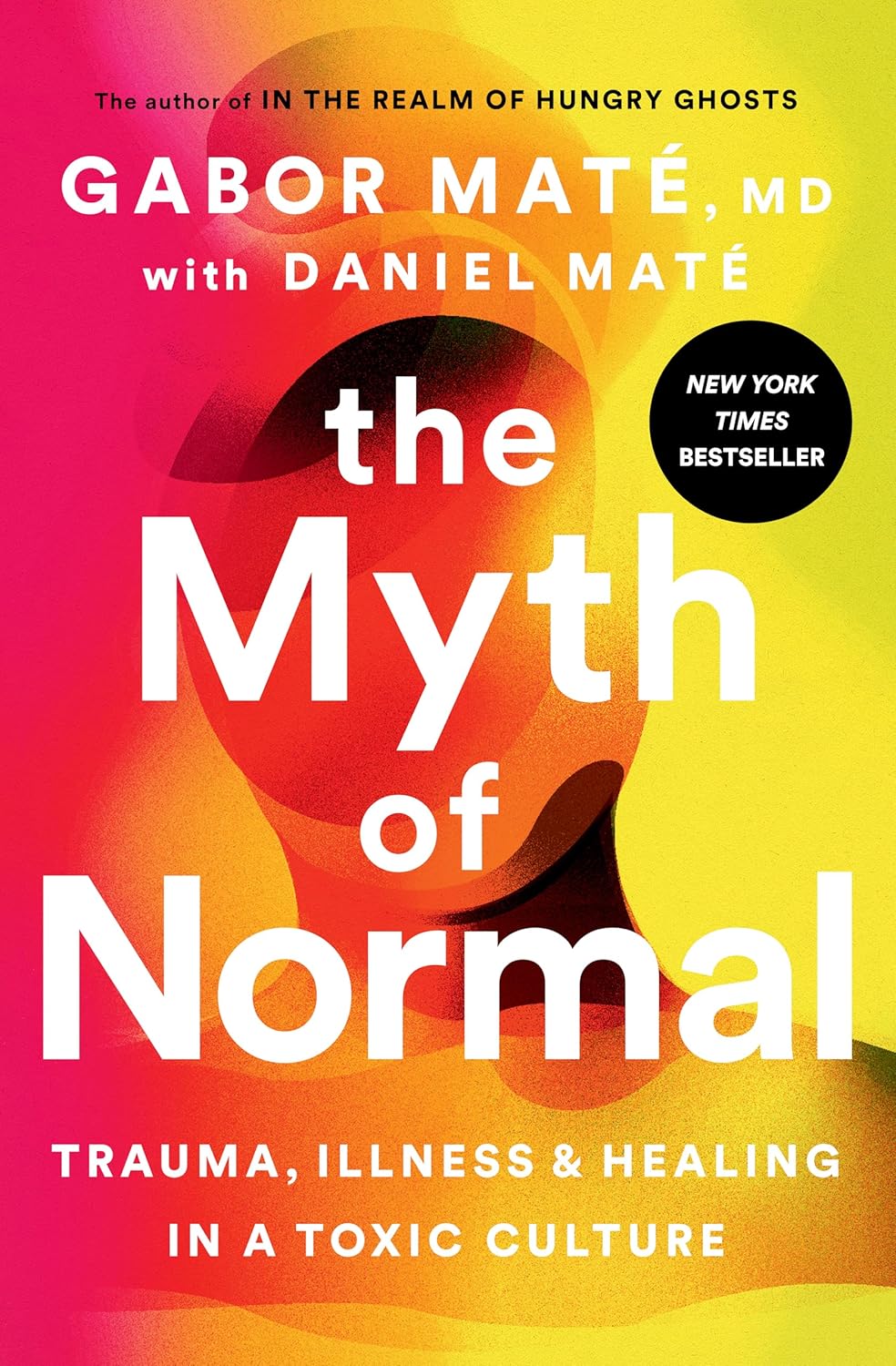
Introduction
Summary:
The Introduction frames the book's central argument: modern Western societies treat many stress- and trauma-related illnesses as individual pathologies rather than consequences of a toxic culture. It outlines the author's perspective linking childhood adversity, social disconnection, and present-day chronic disease in a concise overview.
Key points:
- Society normalizes patterns of stress and emotional suppression that contribute to illness.
- Medical and psychological systems often separate mind and body, obscuring root causes.
- Early relational wounds have lifelong effects on physiology and behavior.
Themes & relevance:
The introduction situates the reader to view illness through a biopsychosocial lens, emphasizing cultural drivers of disease that are relevant to clinicians, patients, and policymakers. It reframes personal suffering as often socially mediated rather than purely individual.
Takeaway / How to use:
Start assessing health problems with attention to life history, relationships, and social context.
Key points
- Society normalizes patterns of stress and emotional suppression that contribute to illness.
- Medical and psychological systems often separate mind and body, obscuring root causes.
- Early relational wounds have lifelong effects on physiology and behavior.
Chapter 1: The Myth of Normal
Summary:
This chapter defines the "myth of normal" as the assumption that current social norms and lifestyles are healthy or inevitable. It argues that what is treated as normal often hides widespread dysfunction stemming from disconnection, inequality, and chronic stress.
Key points:
- Normalcy is culturally constructed and can include harmful patterns of parenting, work, and social organization.
- Medical definitions of health often ignore social determinants and trauma exposures.
- Viewing symptoms as individual faults perpetuates stigma and misdirects treatment.
- A shift in understanding is required to address root causes rather than surface manifestations.
Themes & relevance:
The chapter challenges readers to question taken-for-granted norms and to consider structural contributors to illness, a perspective relevant to public health and personal healing. It connects social critique to clinical implications.
Takeaway / How to use:
Begin questioning assumptions about what is "normal" in your environment and consider social and relational factors in health assessments.
Key points
- Normalcy is culturally constructed and can include harmful patterns of parenting, work, and social organization.
- Medical definitions of health often ignore social determinants and trauma exposures.
- Viewing symptoms as individual faults perpetuates stigma and misdirects treatment.
- A shift in understanding is required to address root causes rather than surface manifestations.
Chapter 2: The Impact of Trauma
Summary:
Chapter 2 explores how trauma—broadly defined to include neglect and relational wounding—reshapes brain, immune, and stress-response systems across the lifespan. It emphasizes that trauma's effects are physiological as well as psychological and often underlie chronic illness.
Key points:
- Trauma includes not only extreme events but also chronic childhood adversity and emotional neglect.
- Neurobiology of trauma alters regulation of stress hormones, brain circuits, and immune function.
- Trauma increases vulnerability to mental health disorders, addiction, and physical disease.
- Recognition of trauma's pervasive role should change clinical approaches toward more trauma-informed care.
Themes & relevance:
This chapter situates trauma at the center of many health problems, underscoring the need for trauma-informed practice in medicine and mental health. It is relevant to anyone seeking to understand persistent symptoms beyond diagnostic labels.
Takeaway / How to use:
Screen for histories of relational adversity and incorporate trauma-aware interventions into care.
Key points
- Trauma includes not only extreme events but also chronic childhood adversity and emotional neglect.
- Neurobiology of trauma alters regulation of stress hormones, brain circuits, and immune function.
- Trauma increases vulnerability to mental health disorders, addiction, and physical disease.
- Recognition of trauma's pervasive role should change clinical approaches toward more trauma-informed care.
Chapter 3: The Role of Stress
Summary:
Chapter 3 examines how chronic stress, especially when experienced without sufficient support, drives disease processes. It distinguishes adaptive short-term stress responses from damaging prolonged activation of the stress system.
Key points:
- Acute stress responses are protective, but chronic activation harms multiple organ systems.
- Social isolation, economic hardship, and emotional suppression amplify physiologic stress.
- Stress affects appetite, sleep, immunity, and memory, linking to diverse illnesses.
- Reducing chronic stress requires addressing both individual coping and social conditions.
Themes & relevance:
The chapter connects daily lived stressors to measurable biological changes, making the argument that societal reform and personal stress management are both necessary. It highlights stress as a common pathway from environment to disease.
Takeaway / How to use:
Identify chronic stressors in life and prioritize steps to reduce exposure and increase supportive connections.
Key points
- Acute stress responses are protective, but chronic activation harms multiple organ systems.
- Social isolation, economic hardship, and emotional suppression amplify physiologic stress.
- Stress affects appetite, sleep, immunity, and memory, linking to diverse illnesses.
- Reducing chronic stress requires addressing both individual coping and social conditions.
Chapter 4: The Body Keeps the Score
Summary:
This chapter argues that the body retains imprints of traumatic and stressful experiences, manifesting as somatic symptoms and chronic illness. It underscores how memory, emotion, and physiology are entwined rather than separate domains.
Key points:
- Traumatic memories can be stored as bodily sensations and dysregulated physiology.
- Symptoms like chronic pain, autoimmune disease, and fatigue often have psychophysiological roots.
- Effective healing attends to bodily experience through somatic awareness, therapy, and safe relationships.
- Biomedical treatment alone may miss core drivers of recurring symptoms.
Themes & relevance:
Reinforcing a mind-body unity, the chapter makes the case for integrative approaches that respect bodily signals and relational repair; this is relevant to clinicians and people with medically unexplained symptoms. It emphasizes embodied paths to recovery.
Takeaway / How to use:
Listen to bodily signals as meaningful information and include somatic approaches in treatment plans.
Key points
- Traumatic memories can be stored as bodily sensations and dysregulated physiology.
- Symptoms like chronic pain, autoimmune disease, and fatigue often have psychophysiological roots.
- Effective healing attends to bodily experience through somatic awareness, therapy, and safe relationships.
- Biomedical treatment alone may miss core drivers of recurring symptoms.
Chapter 5: The Importance of Connection
Summary:
Chapter 5 highlights human connection as a fundamental determinant of health, arguing that secure attachment and social support protect against disease. It shows how social deprivation and alienation increase vulnerability to mental and physical illness.
Key points:
- Attachment experiences in childhood shape stress regulation and emotional resilience.
- Isolation, loneliness, and societal disconnection are significant risk factors for morbidity and mortality.
- Healing often requires reparative relationships that provide safety, empathy, and attunement.
- Community and policy-level measures to enhance connection can have broad health benefits.
Themes & relevance:
The chapter situates relational health as central to medical outcomes, making social reconnection a public health priority. It is relevant for designing interventions that prioritize human relationships.
Takeaway / How to use:
Invest in repairing and strengthening close relationships and seek supportive communities.
Key points
- Attachment experiences in childhood shape stress regulation and emotional resilience.
- Isolation, loneliness, and societal disconnection are significant risk factors for morbidity and mortality.
- Healing often requires reparative relationships that provide safety, empathy, and attunement.
- Community and policy-level measures to enhance connection can have broad health benefits.
Chapter 6: The Illusion of Control
Summary:
This chapter critiques contemporary emphases on individual control, self-optimization, and perfectionism as contributors to stress and self-blame. It shows how perceived lack of control, and the cultural pressure to control, both harm wellbeing.
Key points:
- Cultural narratives valorizing willpower and personal responsibility obscure systemic and developmental causes of suffering.
- Attempts at rigid control often increase anxiety and disconnection rather than resilience.
- Accepting limits and cultivating compassion reduce shame and promote healthier coping.
- Clinical approaches should balance empowerment with recognition of constraints and relational needs.
Themes & relevance:
The chapter reframes control as a complex interplay between individual capacity and social circumstances, relevant to therapy, workplace culture, and public discourse. It encourages more humane expectations of self and others.
Takeaway / How to use:
Practice self-compassion and realistic goals instead of striving for absolute control.
Key points
- Cultural narratives valorizing willpower and personal responsibility obscure systemic and developmental causes of suffering.
- Attempts at rigid control often increase anxiety and disconnection rather than resilience.
- Accepting limits and cultivating compassion reduce shame and promote healthier coping.
- Clinical approaches should balance empowerment with recognition of constraints and relational needs.
Chapter 7: The Nature of Addiction
Summary:
Chapter 7 reframes addiction as a response to pain, disconnection, and trauma rather than a moral failing, highlighting its roots in efforts to soothe unmet emotional needs. It outlines how substances and behaviors hijack the brain's reward systems to compensate for relational deficits.
Key points:
- Addiction often begins as an attempt to cope with emotional pain or regulate dysregulated stress systems.
- Neurobiology of addiction reflects changes in reward, stress, and executive circuits influenced by trauma and deprivation.
- Effective treatment addresses underlying trauma, restores connection, and provides skillful support rather than solely focusing on abstinence.
- Social stigma and punitive approaches worsen outcomes and deter people from seeking help.
Themes & relevance:
The chapter shifts the framework from blame to understanding, making addiction treatment more compassionate and comprehensive; this is relevant to clinicians, families, and policy makers. It emphasizes healing relationships as central to recovery.
Takeaway / How to use:
Approach addictive behaviors with curiosity about underlying pain and prioritize relational and trauma-informed interventions.
Key points
- Addiction often begins as an attempt to cope with emotional pain or regulate dysregulated stress systems.
- Neurobiology of addiction reflects changes in reward, stress, and executive circuits influenced by trauma and deprivation.
- Effective treatment addresses underlying trauma, restores connection, and provides skillful support rather than solely focusing on abstinence.
- Social stigma and punitive approaches worsen outcomes and deter people from seeking help.
Chapter 8: The Healing Power of Compassion
Summary:
Compassion—both from others and toward oneself—is presented as a central healing force that counters the physiological and psychological effects of trauma. The chapter explains how compassionate presence interrupts stress responses, facilitates integration of painful memories, and supports nervous-system regulation.
Key points:
- Compassion calms the nervous system, decreasing fight/flight activation and enabling restorative processes.
- Self-compassion is distinct from self-indulgence and is necessary for recognizing and treating trauma-related suffering.
- Compassionate therapeutic relationships (attunement, nonjudgmental empathy) are more healing than purely technical interventions.
- Societal lack of compassion contributes to chronic illness by normalizing emotional neglect and invalidation.
Themes & relevance:
The chapter links interpersonal kindness and clinical care to measurable health outcomes, stressing that compassion is both a moral and a biological imperative. Its relevance spans individual therapy, public health, and everyday relationships where healing is enabled or blocked.
Takeaway / How to use:
Practice offering and seeking nonjudgmental, somatically attuned compassion in relationships and treatment settings.
Key points
- Compassion calms the nervous system, decreasing fight/flight activation and enabling restorative processes.
- Self-compassion is distinct from self-indulgence and is necessary for recognizing and treating trauma-related suffering.
- Compassionate therapeutic relationships (attunement, nonjudgmental empathy) are more healing than purely technical interventions.
- Societal lack of compassion contributes to chronic illness by normalizing emotional neglect and invalidation.
Chapter 9: The Role of Community
Summary:
Community is framed as a major determinant of mental and physical health: belonging, mutual support, and social structures shape resilience or vulnerability to illness. The chapter examines how modern social fragmentation undercuts natural healing networks and proposes restoring connection as essential to recovery.
Key points:
- Strong social bonds reduce stress, lower disease risk, and improve recovery from trauma and addiction.
- Isolation and social disconnection are normalized in contemporary culture, exacerbating illness.
- Communities that practice inclusion, reciprocity, and shared responsibility offer protective effects against the consequences of early adversity.
- Healing initiatives should focus on rebuilding social infrastructure, not only individual interventions.
Themes & relevance:
This chapter situates health within social contexts, arguing that therapeutic aims must expand beyond individual pathology to include community-level repair. It’s relevant for clinicians, policymakers, and anyone interested in public mental health strategies.
Takeaway / How to use:
Invest time in cultivating and sustaining supportive, reciprocal relationships to bolster personal and communal resilience.
Key points
- Strong social bonds reduce stress, lower disease risk, and improve recovery from trauma and addiction.
- Isolation and social disconnection are normalized in contemporary culture, exacerbating illness.
- Communities that practice inclusion, reciprocity, and shared responsibility offer protective effects against the consequences of early adversity.
- Healing initiatives should focus on rebuilding social infrastructure, not only individual interventions.
Chapter 10: The Path to Recovery
Summary:
Recovery is described as a multi-dimensional process that requires addressing trauma, understanding triggers, and rebuilding regulated nervous-system responses through compassionate practices and social support. The chapter outlines therapeutic principles and practical steps that integrate body-oriented work, psychotherapy, and community resources.
Key points:
- Recovery begins with safety and regulation of the nervous system before cognitive processing of trauma can proceed effectively.
- Trauma-informed approaches emphasize attunement, containment, and gradual exposure rather than rapid confrontation.
- Therapeutic tools include somatic therapies, compassionate inquiry, peer support, and environmental changes that reduce chronic stressors.
- Long-term recovery requires lifestyle and social changes—sleep, nutrition, movement, meaningful connection—not just symptom suppression.
Themes & relevance:
The chapter emphasizes an integrative, staged approach to healing that respects the body-mind connection and the social context of recovery. It’s relevant for designing treatment plans that are realistic, humane, and sustainable.
Takeaway / How to use:
Prioritize safety and nervous-system regulation, then combine somatic, relational, and community-based interventions for durable recovery.
Key points
- Recovery begins with safety and regulation of the nervous system before cognitive processing of trauma can proceed effectively.
- Trauma-informed approaches emphasize attunement, containment, and gradual exposure rather than rapid confrontation.
- Therapeutic tools include somatic therapies, compassionate inquiry, peer support, and environmental changes that reduce chronic stressors.
- Long-term recovery requires lifestyle and social changes—sleep, nutrition, movement, meaningful connection—not just symptom suppression.
Chapter 11: A New Paradigm
Summary:
A new paradigm is proposed that overturns the idea of a single "normal" and replaces it with an understanding of health as relational, developmental, and context-dependent. The chapter calls for systemic change in medicine, education, and social policy to prevent and heal trauma at scale.
Key points:
- Normalizing high levels of stress and dysfunction is harmful; definitions of health must account for social determinants and developmental needs.
- Medicine should shift from symptom management toward addressing root causes: early adversity, social isolation, and chronic stress.
- Policies that reduce inequality, strengthen families, and build community infrastructures are central to population health.
- Clinicians must adopt trauma-informed, compassionate practices and advocate for systemic reforms.
Themes & relevance:
This chapter reframes health as a product of relationships and environments rather than individual fault, making a case for collective responsibility and policy change. It is relevant to anyone seeking to align clinical practice and public policy with evidence about trauma and resilience.
Takeaway / How to use:
Support and advocate for trauma-informed practices and policies that prioritize relational care and social supports.
Key points
- Normalizing high levels of stress and dysfunction is harmful; definitions of health must account for social determinants and developmental needs.
- Medicine should shift from symptom management toward addressing root causes: early adversity, social isolation, and chronic stress.
- Policies that reduce inequality, strengthen families, and build community infrastructures are central to population health.
- Clinicians must adopt trauma-informed, compassionate practices and advocate for systemic reforms.