Takeaways people can pass on
These cards are tuned for social discoverability: one clean idea, one strong visual treatment, and one tap to share on mobile.
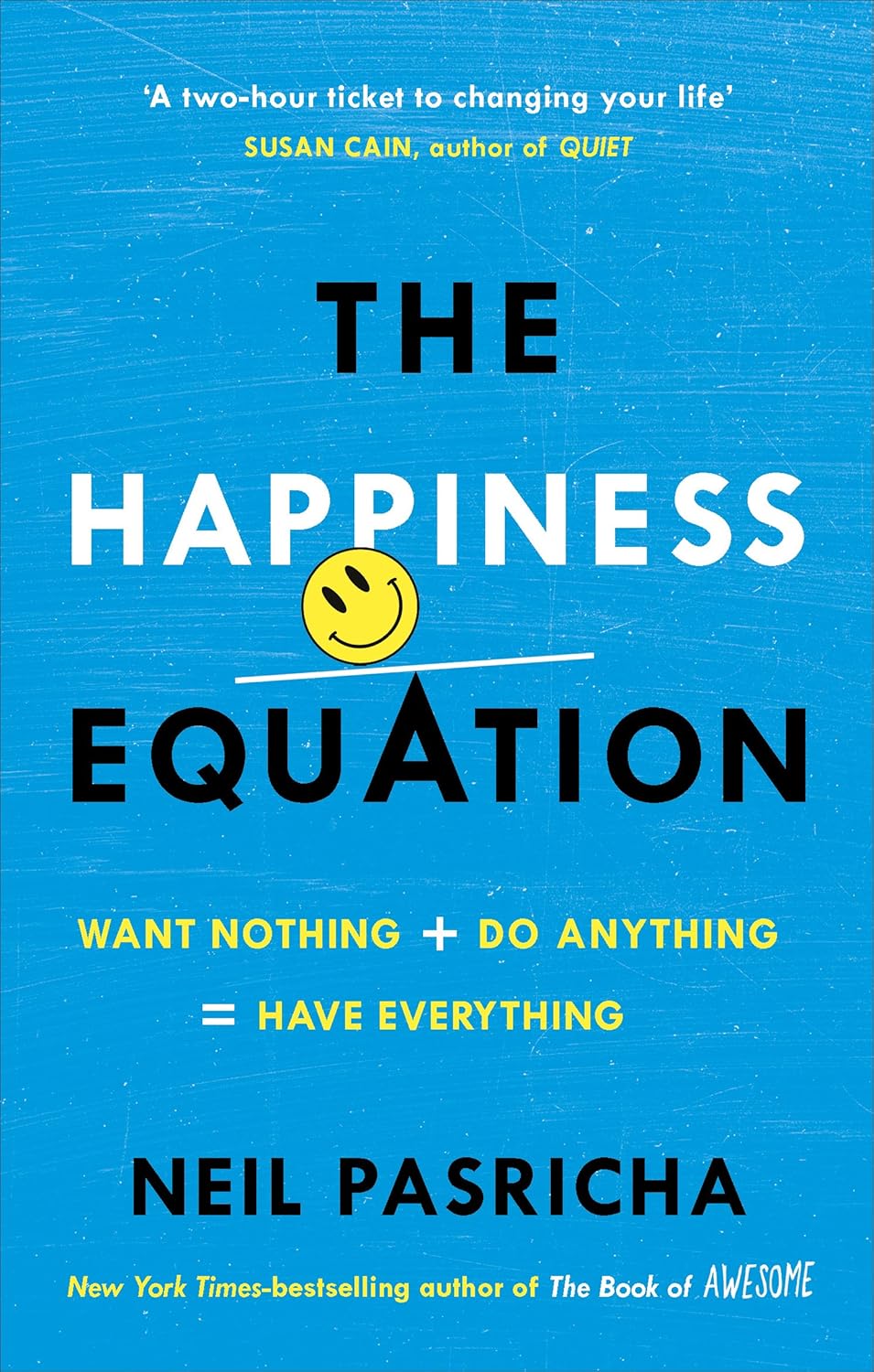
The Happiness Equation
by Neil Pasricha
Happiness is a skill and a set of decisions, not just good fortune.
Turn the useful part of the book into something worth passing on.
Happiness is a skill and a set of decisions, not just good fortune.
Share with the ReadSprint source so others can read the context.
The Happiness Equation
by Neil Pasricha
The book is organized around frameworks to decrease desire, increase agency, and create meaningful results.
Turn the useful part of the book into something worth passing on.
The book is organized around frameworks to decrease desire, increase agency, and create meaningful results.
Share with the ReadSprint source so others can read the context.
The Happiness Equation
by Neil Pasricha
Small, repeatable habits and mindset shifts compound into measurable gains in well
Turn the useful part of the book into something worth passing on.
Small, repeatable habits and mindset shifts compound into measurable gains in well
Share with the ReadSprint source so others can read the context.
The Happiness Equation
by Neil Pasricha
being.
Turn the useful part of the book into something worth passing on.
The Happiness Equation
by Neil Pasricha
Treat happiness as a process you can influence by making deliberate choices each day.
Turn the useful part of the book into something worth passing on.
Treat happiness as a process you can influence by making deliberate choices each day.
Share with the ReadSprint source so others can read the context.
The Happiness Equation
by Neil Pasricha
This introduction connects psychological research and real-world examples to make happiness actionable for readers seeking immediate, practical change. It sets expectations: the following chapters translate science into specific behaviors…
Turn the useful part of the book into something worth passing on.
This introduction connects psychological research and real-world examples to make happiness actionable for readers seeking immediate, practical change. It sets expectations: the following chapters translate science into specific behaviors anyone can try.
Share with the ReadSprint source so others can read the context.
The Happiness Equation
by Neil Pasricha
The introduction lays out the central premise: happiness can be approached as an equation built from clear choices and practices rather than a mysterious state that happens by chance. The author frames the book around three hands-on princi…
Turn the useful part of the book into something worth passing on.
The introduction lays out the central premise: happiness can be approached as an equation built from clear choices and practices rather than a mysterious state that happens by chance. The author frames the book around three hands-on principles — wanting less, doing more, and shaping life to have what matters — and promises practical, research informed tools.
Share with the ReadSprint source so others can read the context.
The Happiness Equation
by Neil Pasricha
Desire is often self
Turn the useful part of the book into something worth passing on.
Desire is often self
Share with the ReadSprint source so others can read the context.
The Happiness Equation
by Neil Pasricha
perpetuating; deciding limits breaks the cycle.
Turn the useful part of the book into something worth passing on.
perpetuating; deciding limits breaks the cycle.
Share with the ReadSprint source so others can read the context.
The Happiness Equation
by Neil Pasricha
Gratitude and clarity about values reduce the pull of external markers of success.
Turn the useful part of the book into something worth passing on.
Gratitude and clarity about values reduce the pull of external markers of success.
Share with the ReadSprint source so others can read the context.
The Happiness Equation
by Neil Pasricha
Social comparison distorts perception of needs and fuels chronic dissatisfaction.
Turn the useful part of the book into something worth passing on.
Social comparison distorts perception of needs and fuels chronic dissatisfaction.
Share with the ReadSprint source so others can read the context.
The Happiness Equation
by Neil Pasricha
Decide what "enough" looks like for you and practice gratitude to weaken urges for more.
Turn the useful part of the book into something worth passing on.
Decide what "enough" looks like for you and practice gratitude to weaken urges for more.
Share with the ReadSprint source so others can read the context.