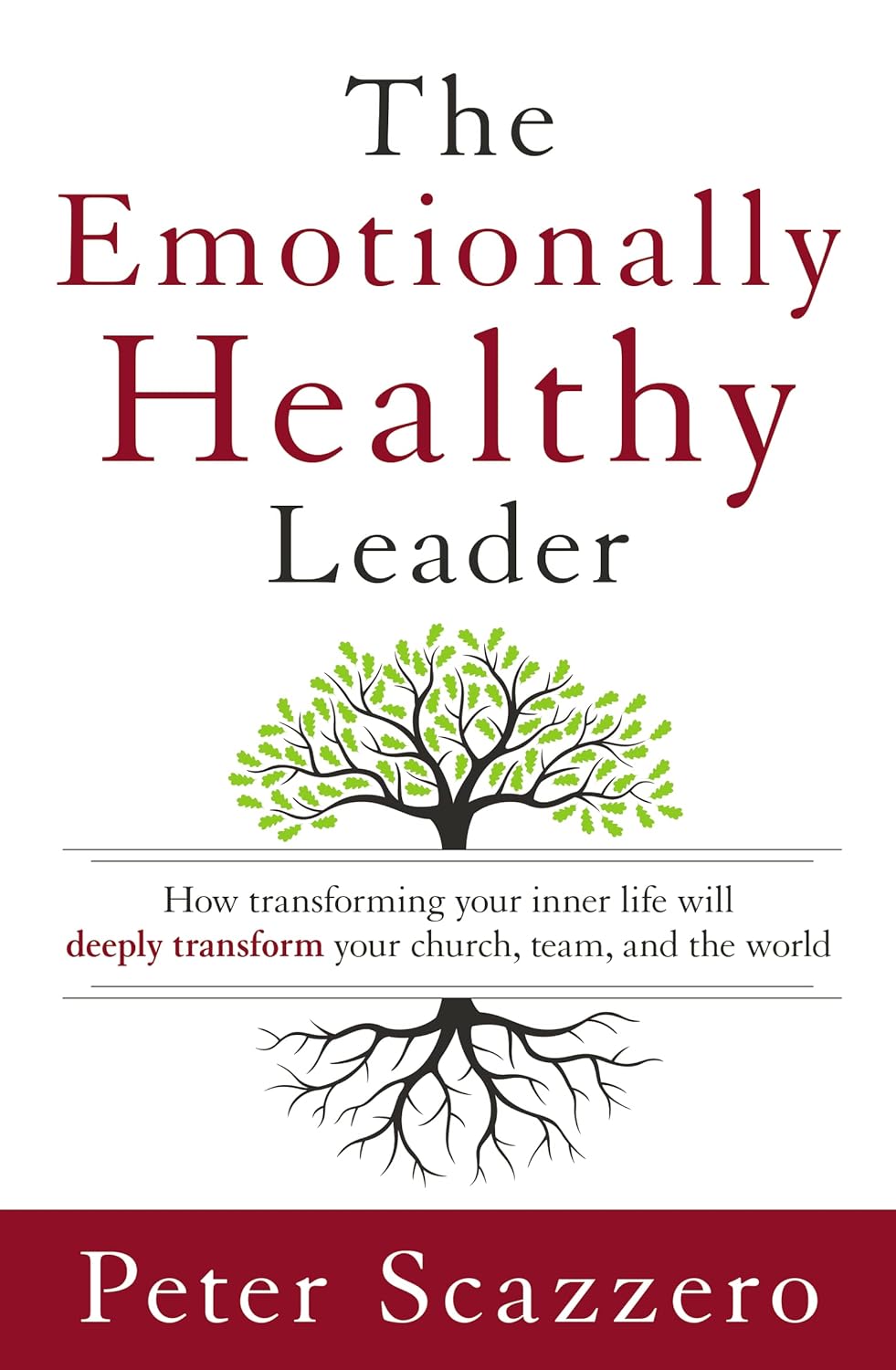
Introduction: The Case for Emotionally Healthy Leadership
Summary:
The introduction argues that leadership effectiveness depends as much on the leader's inner life as on skills and strategy. It makes the case that emotionally healthy leaders produce sustainable, thriving organizations while unhealthy leaders cause chronic dysfunction.
Key points:
- Leadership impact flows out of the leader's emotional and spiritual health.
- Neglecting the inner life leads to burnout, poor decision
- making, and toxic culture.
- Emotionally healthy leadership is a learned integration of self
- awareness, practices, and relationships.
- The book frames emotional health as essential, not optional, for long
- term leadership effectiveness.
Themes & relevance:
This chapter sets the primary theme: inner life shapes outer leadership, which is relevant to leaders across sectors wanting sustainable influence. It reframes leadership development to include emotional and spiritual formation.
Takeaway / How to use:
Begin by honestly assessing your emotional life and commit to addressing it.
Key points
- Leadership impact flows out of the leader's emotional and spiritual health.
- Neglecting the inner life leads to burnout, poor decision
- making, and toxic culture.
- Emotionally healthy leadership is a learned integration of self
- awareness, practices, and relationships.
- The book frames emotional health as essential, not optional, for long
- term leadership effectiveness.
1. The Problem: Leadership and Emotional Immaturity
Summary:
This chapter diagnoses the common problem that many leaders are emotionally immature: competent in tasks but underdeveloped in inner formation. It describes how immaturity shows up in avoidance, control, perfectionism, and reactive behaviors that harm organizations.
Key points:
- Emotional immaturity often coexists with outward success and competence.
- Common dysfunctional patterns include controlling behavior, avoidance of conflict, and identity tied to performance.
- These patterns create unhealthy cultures, erode trust, and limit long
- term fruitfulness.
- Recognizing symptoms is the first step toward intentional growth and leadership formation.
Themes & relevance:
The chapter emphasizes diagnosing unhealthy leadership patterns as essential for change, relevant for anyone leading teams who sees recurring dysfunction. It reframes problems as opportunities for inner work rather than solely structural fixes.
Takeaway / How to use:
Identify one recurring reactive pattern you demonstrate and name it to begin addressing it.
Key points
- Emotional immaturity often coexists with outward success and competence.
- Common dysfunctional patterns include controlling behavior, avoidance of conflict, and identity tied to performance.
- These patterns create unhealthy cultures, erode trust, and limit long
- term fruitfulness.
- Recognizing symptoms is the first step toward intentional growth and leadership formation.
2. The Inner Life of the Leader: Self-Awareness and Honesty
Summary:
This chapter focuses on cultivating self-awareness and honesty as the foundation of emotionally healthy leadership. It argues leaders must know their own emotions, triggers, history, and shadow parts and practice honest self
- reflection and confession.
Key points:
- Self
- awareness includes recognizing emotions, patterns, and triggers rather than suppressing them.
- Honest reflection, solitude, and spiritual practices create space for insight and change.
- Confession and accountability are crucial for breaking patterns and restoring integrity.
- Developing a vocabulary for inner experience helps leaders communicate and lead more authentically.
Themes & relevance:
The theme is that inner clarity enables healthier decisions and relationships, a practical shift for leaders aiming to move from reactive to reflective leadership. It connects personal formation practices directly to leadership outcomes.
Takeaway / How to use:
Begin a daily practice of brief reflection or journaling to increase self-awareness.
Key points
- Self
- awareness includes recognizing emotions, patterns, and triggers rather than suppressing them.
- Honest reflection, solitude, and spiritual practices create space for insight and change.
- Confession and accountability are crucial for breaking patterns and restoring integrity.
- Developing a vocabulary for inner experience helps leaders communicate and lead more authentically.
3. The Power of Sabbath: Rhythms of Rest and Renewal
Summary:
This chapter teaches that regular rhythms of rest—Sabbath—are essential to sustain a leader's soul and effectiveness. It presents Sabbath as a countercultural discipline that interrupts productivity-driven identity and renews clarity, creativity, and capacity.
Key points:
- Sabbath protects leaders from burnout and reenforces identity beyond productivity.
- Regularly scheduled rest refuels emotional and spiritual resources and models healthy practices for teams.
- Implementing Sabbath requires boundaries: planning, saying no, and resisting busyness.
- Small, practical rhythms of rest are better than occasional long vacations.
Themes & relevance:
The chapter links sustainable leadership to embodied rhythms of rest, relevant to leaders facing relentless demands and cultural pressure to do more. It reframes rest as a leadership discipline, not indulgence.
Takeaway / How to use:
Schedule and protect a weekly period of Sabbath rest and treat it as nonnegotiable.
Key points
- Sabbath protects leaders from burnout and reenforces identity beyond productivity.
- Regularly scheduled rest refuels emotional and spiritual resources and models healthy practices for teams.
- Implementing Sabbath requires boundaries: planning, saying no, and resisting busyness.
- Small, practical rhythms of rest are better than occasional long vacations.
4. Facing Your Past: Family of Origin and Emotional Roots
Summary:
This chapter explores how family-of
- origin stories and unresolved wounds shape leaders' behaviors and decision-making. It encourages leaders to identify and work through past patterns that unconsciously drive current responses.
Key points:
- Family
- of-origin dynamics often explain recurring triggers and leadership blind spots.
- Unprocessed wounds lead to projection, reactivity, and unhealthy coping strategies.
- Naming the story, seeking therapy or mentorship, and pursuing reconciliation aid healing.
- Understanding your personal narrative frees you to choose different responses in leadership.
Themes & relevance:
The theme is that facing personal history is necessary for authentic leadership; this is relevant for leaders who repeatedly encounter the same interpersonal struggles. Healing the past enables more mature, stable leadership in the present.
Takeaway / How to use:
Identify one family-of
- origin pattern that influences you and take a first step toward addressing it (talk, journal, or seek help).
Key points
- Family
- of-origin dynamics often explain recurring triggers and leadership blind spots.
- Unprocessed wounds lead to projection, reactivity, and unhealthy coping strategies.
- Naming the story, seeking therapy or mentorship, and pursuing reconciliation aid healing.
- Understanding your personal narrative frees you to choose different responses in leadership.
5. Grief and Loss: Leading Through Pain
Summary:
This chapter addresses how leaders experience and often hide grief and loss, and why processing grief is essential for emotional health. It calls leaders to slow down, lament, and integrate loss rather than rush past it for the sake of performance.
Key points:
- Grief is a normal human response to loss and must be acknowledged, not minimized.
- Suppressed grief impairs judgment, presence, and relational capacity in leaders.
- Practices like lament, remembrance, and supportive community help process loss.
- Leading through grief can deepen empathy and authenticity when attended well.
Themes & relevance:
The chapter highlights grieving as a formative process that, when embraced, can produce deeper leadership compassion and wisdom; it's relevant to leaders navigating personal or organizational loss. It reframes vulnerability about pain as a leadership strength.
Takeaway / How to use:
Allow yourself to name and mourn a recent loss and seek supportive space to grieve.
Key points
- Grief is a normal human response to loss and must be acknowledged, not minimized.
- Suppressed grief impairs judgment, presence, and relational capacity in leaders.
- Practices like lament, remembrance, and supportive community help process loss.
- Leading through grief can deepen empathy and authenticity when attended well.
6. Identity and Calling: Who Am I as a Leader?
Summary:
This chapter helps leaders separate identity from performance and clarify calling so decisions come from rootedness rather than insecurity. It emphasizes that a leader's sense of self must be grounded in core values and vocational clarity instead of role or approval.
Key points:
- Identity tied to performance makes leaders vulnerable to anxiety and reactive choices.
- Clarifying calling provides a steady compass for priorities, boundaries, and seasonable ministry.
- Knowing gifts, limits, and core convictions enables healthier delegation and mission focus.
- Saying no to good things is necessary to stay faithful to calling.
Themes & relevance:
The theme is that a secure identity and clear calling sustain courageous and consistent leadership, especially amid external pressures. For leaders facing role creep or approval addiction, this chapter offers a reorientation toward vocation.
Takeaway / How to use:
Write a concise one-sentence calling or identity statement to guide decisions.
Key points
- Identity tied to performance makes leaders vulnerable to anxiety and reactive choices.
- Clarifying calling provides a steady compass for priorities, boundaries, and seasonable ministry.
- Knowing gifts, limits, and core convictions enables healthier delegation and mission focus.
- Saying no to good things is necessary to stay faithful to calling.
7. Boundaries and Relationships: Healthy Leadership with Others
Summary:
This chapter focuses on the necessity of healthy boundaries and intentional relationships for sustainable leadership. It explains how clear limits, honest communication, and accountability structures protect leaders and foster trust in teams.
Key points:
- Boundaries clarify responsibility, prevent burnout, and model healthy expectations.
- Emotional health requires supportive relationships: mentors, peers, and trusted confidants.
- Learning to say no, delegate, and have hard conversations preserves integrity and focus.
- Accountability and regular feedback guard against blind spots and isolation.
Themes & relevance:
The chapter underscores that relational practices and boundaries are practical tools for maintaining emotional health and organizational flourishing, relevant to leaders prone to overwork or people-pleasing. It shows that healthy interdependence strengthens leadership.
Takeaway / How to use:
Establish one clear boundary with your time or relationships this week and communicate it to those affected.
Key points
- Boundaries clarify responsibility, prevent burnout, and model healthy expectations.
- Emotional health requires supportive relationships: mentors, peers, and trusted confidants.
- Learning to say no, delegate, and have hard conversations preserves integrity and focus.
- Accountability and regular feedback guard against blind spots and isolation.
8. Managing Stress, Anger, and Anxiety in Leadership
Summary:
Leaders must name and manage stress, anger, and anxiety to sustain effectiveness and health. This chapter outlines common triggers, physiological and relational impacts, and practical strategies for regulation and prevention.
Key points:
- Identify sources and patterns of stress and anxiety, including overwork, unclear expectations, and relational conflict.
- Understand how unresolved anger harms decision
- making, relationships, and organizational climate.
- Use bodily awareness and simple regulation techniques (breath, pause, grounding) to interrupt escalation.
- Build rhythms of rest, margin, and boundaries to reduce chronic stress.
- Create organizational practices and supports (delegation, clarity, coaching) that limit leader burnout.
Themes & relevance:
Emotional calibration is central to sustainable leadership; managing inner states preserves leadership clarity and models healthy behavior for teams. This chapter links personal practices to organizational outcomes.
Takeaway / How to use:
Start by naming your top two stress triggers this week and apply a 5-minute pause
- and-breath practice when they arise.
Key points
- Identify sources and patterns of stress and anxiety, including overwork, unclear expectations, and relational conflict.
- Understand how unresolved anger harms decision
- making, relationships, and organizational climate.
- Use bodily awareness and simple regulation techniques (breath, pause, grounding) to interrupt escalation.
- Build rhythms of rest, margin, and boundaries to reduce chronic stress.
- Create organizational practices and supports (delegation, clarity, coaching) that limit leader burnout.
9. The Spiritual Practices of Emotionally Healthy Leaders
Summary:
Spiritual practices like silence, solitude, Scripture engagement, prayer, Sabbath, confession, and spiritual friendship shape the inner life of emotionally healthy leaders. The chapter presents how these practices form character, provide resilience, and reorient priorities toward long-term flourishing.
Key points:
- Regular silence and solitude create space for self
- awareness and attunement to God or deepest values.
- Sabbath and rhythm of rest protect leaders from performance
- driven identity and chronic busyness.
- Scripture and contemplative practices reframe anxieties and inform wise decision
- making.
- Confession and spiritual direction provide accountability and transparency that prevent hidden inner turmoil.
- Spiritual practices are integrated into daily, weekly, and seasonal rhythms rather than treated as occasional extras.
Themes & relevance:
Inner spiritual formation is the foundation for emotional maturity and ethical leadership; spiritual disciplines sustain leaders beyond techniques and tactics. The chapter ties spiritual rhythms directly to practical emotional health.
Takeaway / How to use:
Commit to one spiritual practice (e.g., 10 minutes of silence or a weekly Sabbath) and keep it for 30 days.
Key points
- Regular silence and solitude create space for self
- awareness and attunement to God or deepest values.
- Sabbath and rhythm of rest protect leaders from performance
- driven identity and chronic busyness.
- Scripture and contemplative practices reframe anxieties and inform wise decision
- making.
- Confession and spiritual direction provide accountability and transparency that prevent hidden inner turmoil.
- Spiritual practices are integrated into daily, weekly, and seasonal rhythms rather than treated as occasional extras.
10. Leading Change: Culture, Systems, and Healthy Organizations
Summary:
Leading change requires attention to culture, systems, and the emotional life of the organization as much as strategy. This chapter explains how emotionally healthy leaders diagnose culture, design systems that promote health, and shepherd sustainable change.
Key points:
- Culture is the pattern of felt life in an organization; leaders must listen for unspoken norms and shadow dynamics.
- Systems (meetings, feedback loops, onboarding, evaluation) either reinforce or undermine healthy behaviors.
- Change is people work: grieving loss, creating vision, and practicing patience are essential.
- Psychological safety, clear accountability, and modeled vulnerability accelerate healthy cultural shifts.
- Practical tools include culture audits, pilot experiments, and aligning incentives with desired behaviors.
Themes & relevance:
Sustainable organizational change blends technical fixes with attention to emotional and spiritual dynamics; emotionally healthy leaders intentionally shape systems that nurture rather than deplete people. The chapter emphasizes design alongside discernment.
Takeaway / How to use:
Run a simple culture audit this quarter: gather 5 candid interviews and one system check to identify one small change to pilot.
Key points
- Culture is the pattern of felt life in an organization; leaders must listen for unspoken norms and shadow dynamics.
- Systems (meetings, feedback loops, onboarding, evaluation) either reinforce or undermine healthy behaviors.
- Change is people work: grieving loss, creating vision, and practicing patience are essential.
- Psychological safety, clear accountability, and modeled vulnerability accelerate healthy cultural shifts.
- Practical tools include culture audits, pilot experiments, and aligning incentives with desired behaviors.
11. Coaching and Developing Emotionally Healthy Leaders
Summary:
Developing other leaders multiplies emotionally healthy leadership across an organization; coaching is a primary vehicle for that development. This chapter covers coaching mindsets, practices, and structures that cultivate self-awareness, skill, and character in emerging leaders.
Key points:
- Coaching prioritizes listening, asking powerful questions, and helping leaders name inner blocks and patterns.
- Development focuses on both competency and character, integrating feedback, practice, and reflection.
- Peer coaching, leadership cohorts, and mentoring structures create sustained growth environments.
- Clear goals, accountability, and measurable milestones keep development practical and trackable.
- Leaders must model teachability and make time and resources for others’ growth.
Themes & relevance:
Coaching spreads emotional health by building capacities to manage self and relationships; investing in development is essential to create a pipeline of resilient leaders. The chapter links one-on
- one work to systemic leadership formation.
Takeaway / How to use:
Begin a monthly 1:1 coaching conversation with an emerging leader focused on one growth goal and one reflective question.
Key points
- Coaching prioritizes listening, asking powerful questions, and helping leaders name inner blocks and patterns.
- Development focuses on both competency and character, integrating feedback, practice, and reflection.
- Peer coaching, leadership cohorts, and mentoring structures create sustained growth environments.
- Clear goals, accountability, and measurable milestones keep development practical and trackable.
- Leaders must model teachability and make time and resources for others’ growth.