Takeaways people can pass on
These cards are tuned for social discoverability: one clean idea, one strong visual treatment, and one tap to share on mobile.
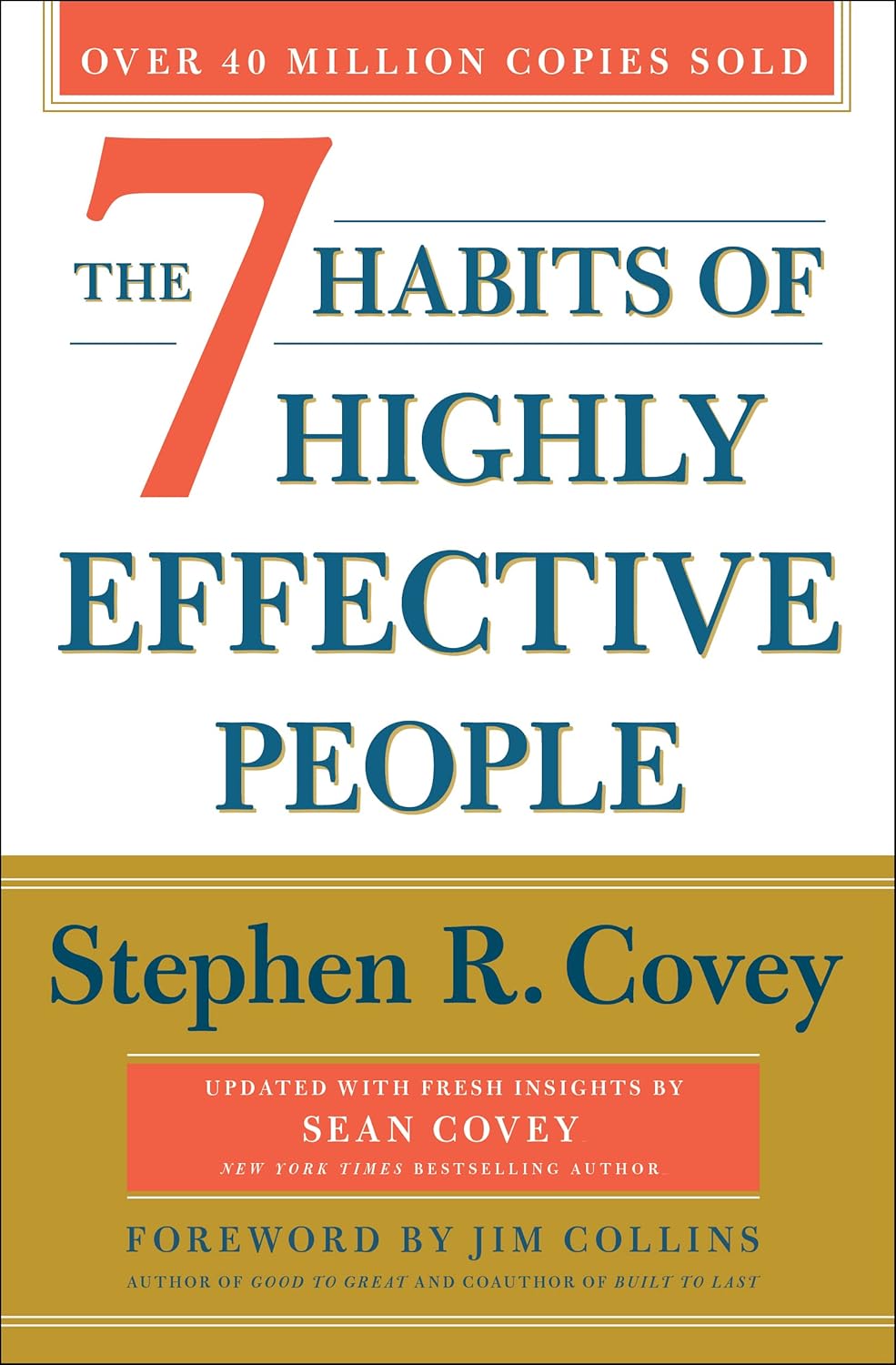
The 7 Habits of Highly Effective People
by Stephen R. Covey
Focus on your Circle of Influence — invest energy where you can make a difference rather than on what you cannot control.
Turn the useful part of the book into something worth passing on.
Focus on your Circle of Influence — invest energy where you can make a difference rather than on what you cannot control.
Share with the ReadSprint source so others can read the context.
The 7 Habits of Highly Effective People
by Stephen R. Covey
Between stimulus and response lies the human ability to choose; use that space to act according to principles and values.
Turn the useful part of the book into something worth passing on.
Between stimulus and response lies the human ability to choose; use that space to act according to principles and values.
Share with the ReadSprint source so others can read the context.
The 7 Habits of Highly Effective People
by Stephen R. Covey
Proactivity means acting rather than being acted upon: take initiative, own mistakes, and shape outcomes.
Turn the useful part of the book into something worth passing on.
Proactivity means acting rather than being acted upon: take initiative, own mistakes, and shape outcomes.
Share with the ReadSprint source so others can read the context.
The 7 Habits of Highly Effective People
by Stephen R. Covey
Language matters: use proactive language (“I will,” “I choose”) instead of reactive language (“I can’t,” “If only”).
Turn the useful part of the book into something worth passing on.
Language matters: use proactive language (“I will,” “I choose”) instead of reactive language (“I can’t,” “If only”).
Share with the ReadSprint source so others can read the context.
The 7 Habits of Highly Effective People
by Stephen R. Covey
Identify one area where you feel stuck and take one deliberate action this week that is within your control.
Turn the useful part of the book into something worth passing on.
Identify one area where you feel stuck and take one deliberate action this week that is within your control.
Share with the ReadSprint source so others can read the context.
The 7 Habits of Highly Effective People
by Stephen R. Covey
The chapter centers on personal responsibility and agency as the foundation for lasting change, relevant to leadership, relationships, and stress management. Developing a proactive mindset expands influence and reduces wasted effort on unc…
Turn the useful part of the book into something worth passing on.
The chapter centers on personal responsibility and agency as the foundation for lasting change, relevant to leadership, relationships, and stress management. Developing a proactive mindset expands influence and reduces wasted effort on uncontrollable factors.
Share with the ReadSprint source so others can read the context.
The 7 Habits of Highly Effective People
by Stephen R. Covey
Be Proactive emphasizes that effective people take responsibility for their choices and behavior rather than reacting to external circumstances. It distinguishes between proactive responses (guided by values) and reactive responses (driven…
Turn the useful part of the book into something worth passing on.
Be Proactive emphasizes that effective people take responsibility for their choices and behavior rather than reacting to external circumstances. It distinguishes between proactive responses (guided by values) and reactive responses (driven by moods or conditions), arguing that freedom to choose our response is the essence of personal effectiveness.
Share with the ReadSprint source so others can read the context.
The 7 Habits of Highly Effective People
by Stephen R. Covey
Create a personal mission statement to articulate your roles, values, and long-term vision.
Turn the useful part of the book into something worth passing on.
Create a personal mission statement to articulate your roles, values, and long-term vision.
Share with the ReadSprint source so others can read the context.
The 7 Habits of Highly Effective People
by Stephen R. Covey
Leadership is about knowing where you want to go; management is about arranging resources to get there.
Turn the useful part of the book into something worth passing on.
Leadership is about knowing where you want to go; management is about arranging resources to get there.
Share with the ReadSprint source so others can read the context.
The 7 Habits of Highly Effective People
by Stephen R. Covey
Visualize desired outcomes for tasks and relationships to ensure alignment with core principles.
Turn the useful part of the book into something worth passing on.
Visualize desired outcomes for tasks and relationships to ensure alignment with core principles.
Share with the ReadSprint source so others can read the context.
The 7 Habits of Highly Effective People
by Stephen R. Covey
Make decisions based on the end result to avoid short-term distractions and mission drift.
Turn the useful part of the book into something worth passing on.
Make decisions based on the end result to avoid short-term distractions and mission drift.
Share with the ReadSprint source so others can read the context.
The 7 Habits of Highly Effective People
by Stephen R. Covey
Write a concise personal mission statement and review it weekly to guide decisions.
Turn the useful part of the book into something worth passing on.
Write a concise personal mission statement and review it weekly to guide decisions.
Share with the ReadSprint source so others can read the context.