Takeaways people can pass on
These cards are tuned for social discoverability: one clean idea, one strong visual treatment, and one tap to share on mobile.
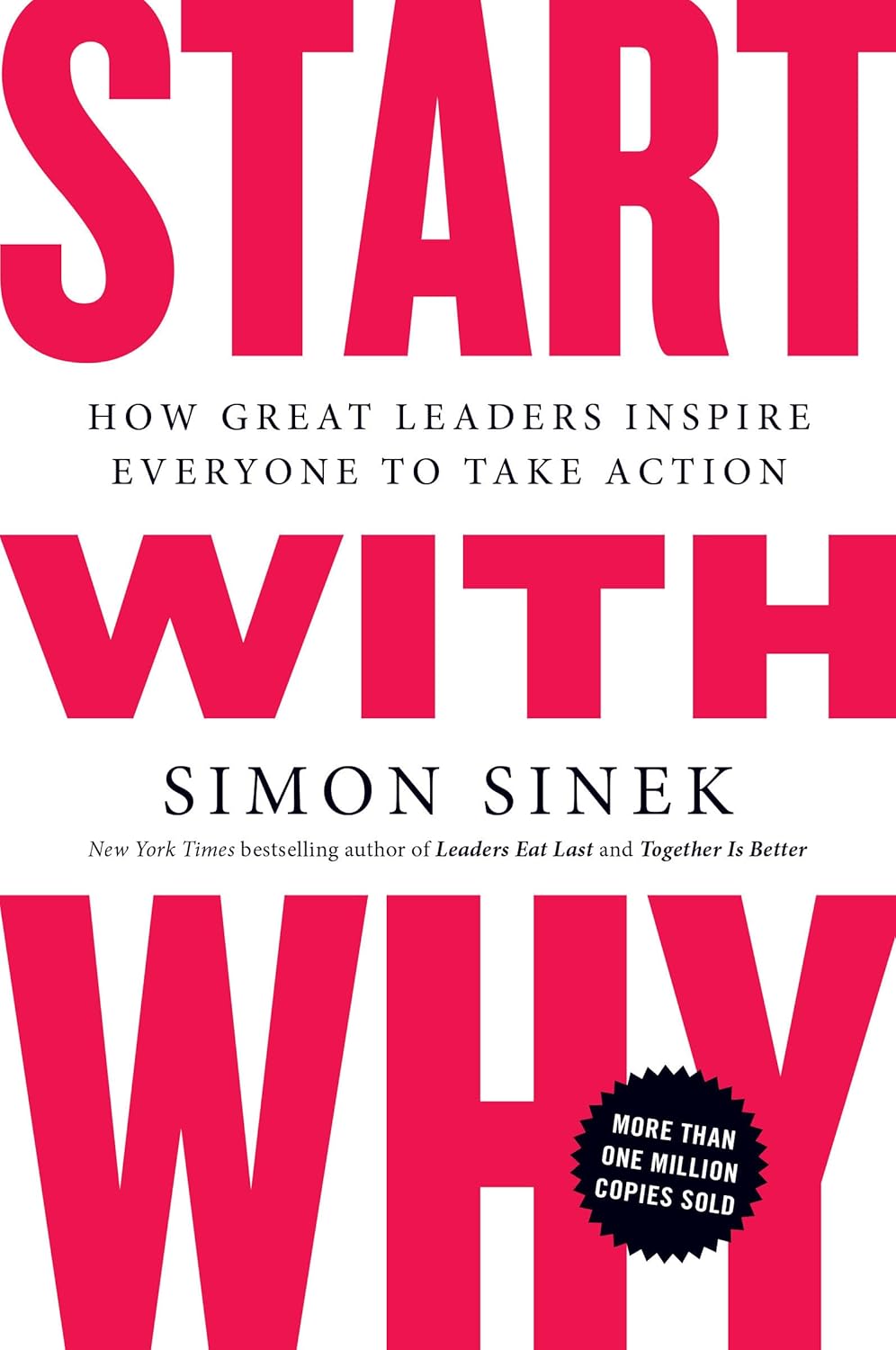
Start With Why: How Great Leaders Inspire Everyone to Take Action
by Simon Sinek
Assuming you know motives prevents asking the fundamental question "Why?" and limits insight.
Turn the useful part of the book into something worth passing on.
Assuming you know motives prevents asking the fundamental question "Why?" and limits insight.
Share with the ReadSprint source so others can read the context.
Start With Why: How Great Leaders Inspire Everyone to Take Action
by Simon Sinek
Leaders and organizations often explain actions by WHAT they do or HOW they do it, not WHY they do it.
Turn the useful part of the book into something worth passing on.
Leaders and organizations often explain actions by WHAT they do or HOW they do it, not WHY they do it.
Share with the ReadSprint source so others can read the context.
Start With Why: How Great Leaders Inspire Everyone to Take Action
by Simon Sinek
Misaligned assumptions create mistrust and missed opportunities for inspiration.
Turn the useful part of the book into something worth passing on.
Misaligned assumptions create mistrust and missed opportunities for inspiration.
Share with the ReadSprint source so others can read the context.
Start With Why: How Great Leaders Inspire Everyone to Take Action
by Simon Sinek
Start conversations by asking "Why are we doing this?" before deciding on tactics.
Turn the useful part of the book into something worth passing on.
Start conversations by asking "Why are we doing this?" before deciding on tactics.
Share with the ReadSprint source so others can read the context.
Start With Why: How Great Leaders Inspire Everyone to Take Action
by Simon Sinek
Questioning assumptions and seeking purpose provides a clearer foundation for strategy and communication in any organization. Understanding the difference between motives and observable actions is crucial for authentic leadership.
Turn the useful part of the book into something worth passing on.
Questioning assumptions and seeking purpose provides a clearer foundation for strategy and communication in any organization. Understanding the difference between motives and observable actions is crucial for authentic leadership.
Share with the ReadSprint source so others can read the context.
Start With Why: How Great Leaders Inspire Everyone to Take Action
by Simon Sinek
In this chapter Sinek argues that people often behave as if they already understand others' motivations, which leads to poor decisions and ineffective leadership. He introduces the problem that without knowing the deeper "why," organizatio…
Turn the useful part of the book into something worth passing on.
In this chapter Sinek argues that people often behave as if they already understand others' motivations, which leads to poor decisions and ineffective leadership. He introduces the problem that without knowing the deeper "why," organizations and leaders default to surface-level explanations and assumptions.
Share with the ReadSprint source so others can read the context.
Start With Why: How Great Leaders Inspire Everyone to Take Action
by Simon Sinek
Carrots (rewards) and sticks (punishments) influence behavior but often only temporarily.
Turn the useful part of the book into something worth passing on.
Carrots (rewards) and sticks (punishments) influence behavior but often only temporarily.
Share with the ReadSprint source so others can read the context.
Start With Why: How Great Leaders Inspire Everyone to Take Action
by Simon Sinek
Manipulations like promotions, fear, and price reductions can drive short
Turn the useful part of the book into something worth passing on.
Manipulations like promotions, fear, and price reductions can drive short
Share with the ReadSprint source so others can read the context.
Start With Why: How Great Leaders Inspire Everyone to Take Action
by Simon Sinek
term change but erode trust.
Turn the useful part of the book into something worth passing on.
term change but erode trust.
Share with the ReadSprint source so others can read the context.
Start With Why: How Great Leaders Inspire Everyone to Take Action
by Simon Sinek
Inspiration aligns people with a cause or belief, creating long
Turn the useful part of the book into something worth passing on.
Inspiration aligns people with a cause or belief, creating long
Share with the ReadSprint source so others can read the context.
Start With Why: How Great Leaders Inspire Everyone to Take Action
by Simon Sinek
term loyalty and intrinsic motivation.
Turn the useful part of the book into something worth passing on.
term loyalty and intrinsic motivation.
Share with the ReadSprint source so others can read the context.
Start With Why: How Great Leaders Inspire Everyone to Take Action
by Simon Sinek
Replace reliance on manipulation with efforts to communicate and embody your organization's core beliefs.
Turn the useful part of the book into something worth passing on.
Replace reliance on manipulation with efforts to communicate and embody your organization's core beliefs.
Share with the ReadSprint source so others can read the context.