Takeaways people can pass on
These cards are tuned for social discoverability: one clean idea, one strong visual treatment, and one tap to share on mobile.
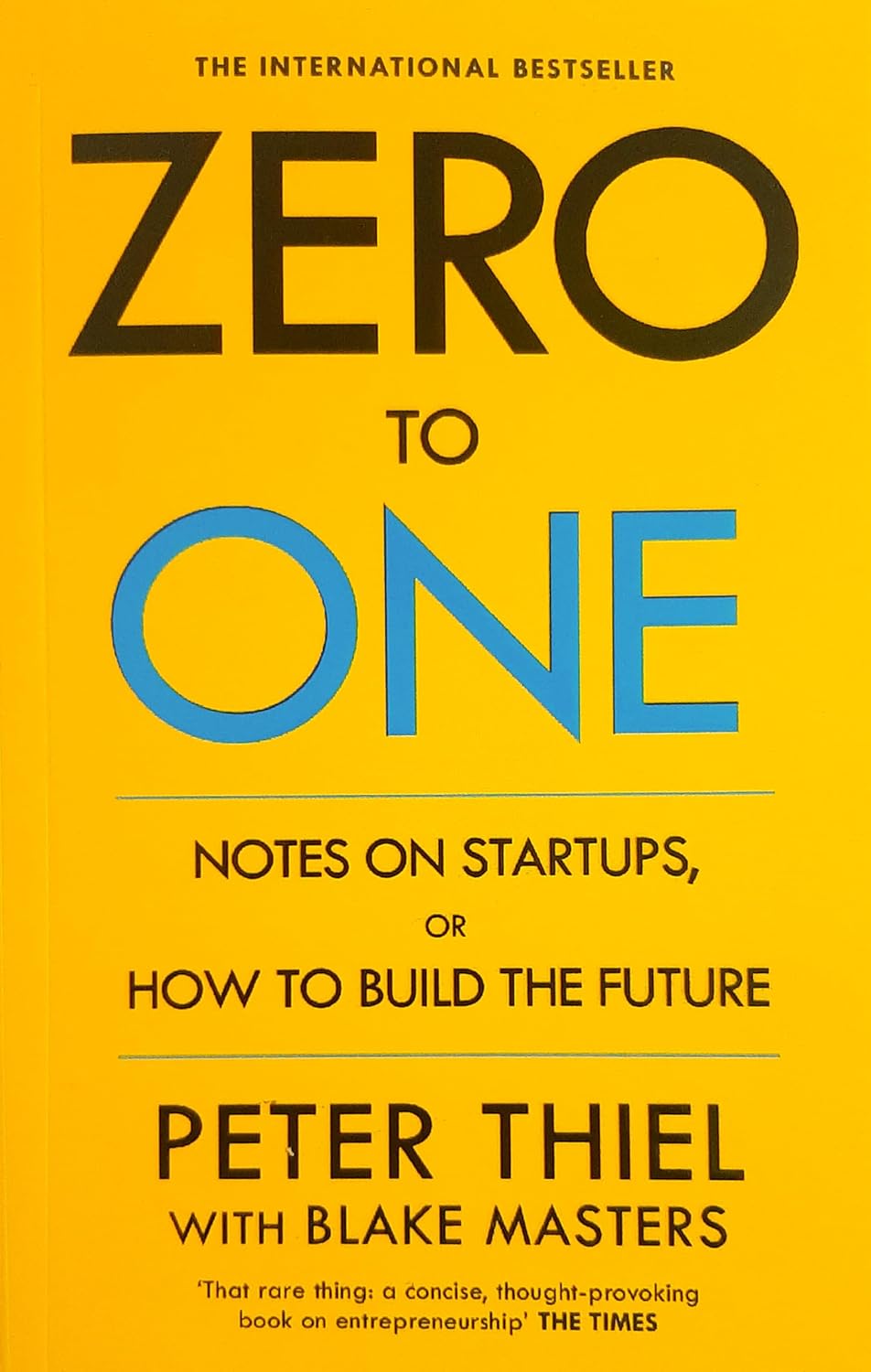
Zero to One
by Peter Thiel with Blake Masters
The distinction between vertical progress (zero to one) and horizontal progress (one to n).
Turn the useful part of the book into something worth passing on.
The distinction between vertical progress (zero to one) and horizontal progress (one to n).
Share with the ReadSprint source so others can read the context.
Zero to One
by Peter Thiel with Blake Masters
Most people expect the future to be a continuation of the present, but definite planning and innovation produce breakthroughs.
Turn the useful part of the book into something worth passing on.
Most people expect the future to be a continuation of the present, but definite planning and innovation produce breakthroughs.
Share with the ReadSprint source so others can read the context.
Zero to One
by Peter Thiel with Blake Masters
Stagnation is a risk when society relies on globalization and copying instead of technological novelty.
Turn the useful part of the book into something worth passing on.
Stagnation is a risk when society relies on globalization and copying instead of technological novelty.
Share with the ReadSprint source so others can read the context.
Zero to One
by Peter Thiel with Blake Masters
Actively seek opportunities to create something genuinely new rather than merely iterating on existing solutions.
Turn the useful part of the book into something worth passing on.
Actively seek opportunities to create something genuinely new rather than merely iterating on existing solutions.
Share with the ReadSprint source so others can read the context.
Zero to One
by Peter Thiel with Blake Masters
This chapter frames entrepreneurship as a creative, forward-looking endeavor and challenges readers to prefer unique innovations over imitation. It sets the philosophical foundation for thinking about strategy, monopoly, and progress.
Turn the useful part of the book into something worth passing on.
This chapter frames entrepreneurship as a creative, forward-looking endeavor and challenges readers to prefer unique innovations over imitation. It sets the philosophical foundation for thinking about strategy, monopoly, and progress.
Share with the ReadSprint source so others can read the context.
Zero to One
by Peter Thiel with Blake Masters
Peter Thiel argues that the future is not inevitable and must be actively created; progress comes from technology that takes us from "zero to one" rather than incremental "one to n" improvements. He emphasizes that doing new things require…
Turn the useful part of the book into something worth passing on.
Peter Thiel argues that the future is not inevitable and must be actively created; progress comes from technology that takes us from "zero to one" rather than incremental "one to n" improvements. He emphasizes that doing new things requires bold, contrarian thinking and deliberate planning to build lasting value.
Share with the ReadSprint source so others can read the context.
Zero to One
by Peter Thiel with Blake Masters
The dot-com bubble resulted from believing the future was guaranteed without sound business models.
Turn the useful part of the book into something worth passing on.
The dot-com bubble resulted from believing the future was guaranteed without sound business models.
Share with the ReadSprint source so others can read the context.
Zero to One
by Peter Thiel with Blake Masters
Short-term growth and flashy metrics often mask lack of sustainable value.
Turn the useful part of the book into something worth passing on.
Short-term growth and flashy metrics often mask lack of sustainable value.
Share with the ReadSprint source so others can read the context.
Zero to One
by Peter Thiel with Blake Masters
Risk and timing matter: being early is not the same as being right.
Turn the useful part of the book into something worth passing on.
Risk and timing matter: being early is not the same as being right.
Share with the ReadSprint source so others can read the context.
Zero to One
by Peter Thiel with Blake Masters
Evaluate opportunities by their long-term fundamentals, not by current craze or market sentiment.
Turn the useful part of the book into something worth passing on.
Evaluate opportunities by their long-term fundamentals, not by current craze or market sentiment.
Share with the ReadSprint source so others can read the context.
Zero to One
by Peter Thiel with Blake Masters
The chapter warns entrepreneurs and investors to avoid hype-driven decision making and to prioritize durable advantages and clear plans. It is a corrective to market euphoria and a call for rigorous thinking.
Turn the useful part of the book into something worth passing on.
The chapter warns entrepreneurs and investors to avoid hype-driven decision making and to prioritize durable advantages and clear plans. It is a corrective to market euphoria and a call for rigorous thinking.
Share with the ReadSprint source so others can read the context.
Zero to One
by Peter Thiel with Blake Masters
Thiel recounts the dot-com boom and bust to show the dangers of ungrounded optimism and herd behavior: capital and talent were misallocated based on hype rather than durable business fundamentals. He uses the episode to extract lessons abo…
Turn the useful part of the book into something worth passing on.
Thiel recounts the dot-com boom and bust to show the dangers of ungrounded optimism and herd behavior: capital and talent were misallocated based on hype rather than durable business fundamentals. He uses the episode to extract lessons about valuation, planning, and the difference between building a company and riding a speculative wave.
Share with the ReadSprint source so others can read the context.