Takeaways people can pass on
These cards are tuned for social discoverability: one clean idea, one strong visual treatment, and one tap to share on mobile.
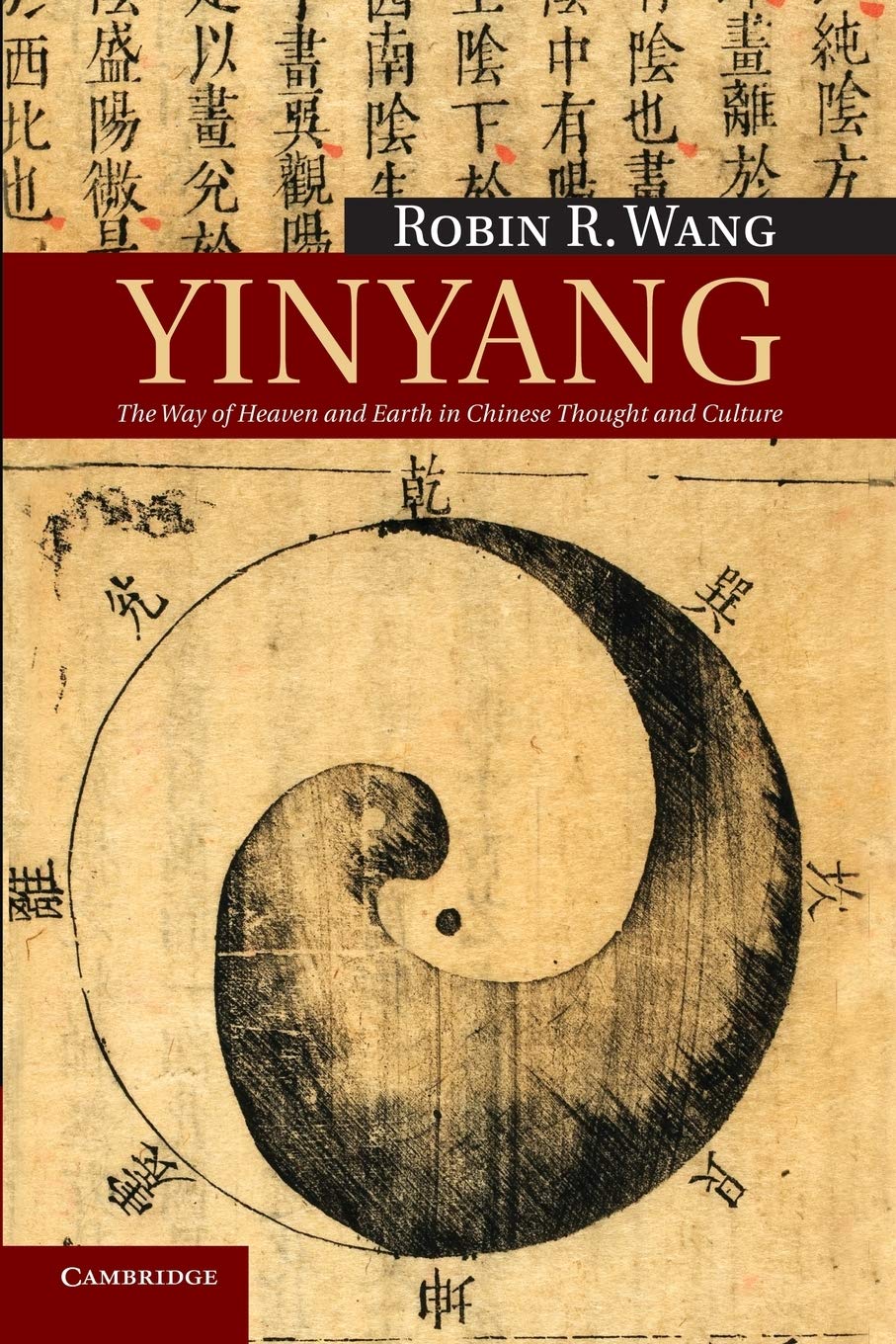
Yinyang: The Way of Heaven and Earth in Chinese Thought and Culture
by Robin R. Wang
Yinyang defines complementary polarities (yin as receptive/dark, yang as active/light) that interact dynamically.
Turn the useful part of the book into something worth passing on.
Yinyang defines complementary polarities (yin as receptive/dark, yang as active/light) that interact dynamically.
Share with the ReadSprint source so others can read the context.
Yinyang: The Way of Heaven and Earth in Chinese Thought and Culture
by Robin R. Wang
It functions as a cosmological and explanatory framework rather than a rigid binary.
Turn the useful part of the book into something worth passing on.
It functions as a cosmological and explanatory framework rather than a rigid binary.
Share with the ReadSprint source so others can read the context.
Yinyang: The Way of Heaven and Earth in Chinese Thought and Culture
by Robin R. Wang
The concept permeates philosophy, ritual, medicine, calendrics, and governance.
Turn the useful part of the book into something worth passing on.
The concept permeates philosophy, ritual, medicine, calendrics, and governance.
Share with the ReadSprint source so others can read the context.
Yinyang: The Way of Heaven and Earth in Chinese Thought and Culture
by Robin R. Wang
The book adopts an interdisciplinary approach, combining textual, ritual, and material evidence.
Turn the useful part of the book into something worth passing on.
The book adopts an interdisciplinary approach, combining textual, ritual, and material evidence.
Share with the ReadSprint source so others can read the context.
Yinyang: The Way of Heaven and Earth in Chinese Thought and Culture
by Robin R. Wang
Use yinyang as a lens for comparing dynamic complementarities in systems and practices.
Turn the useful part of the book into something worth passing on.
Use yinyang as a lens for comparing dynamic complementarities in systems and practices.
Share with the ReadSprint source so others can read the context.
Yinyang: The Way of Heaven and Earth in Chinese Thought and Culture
by Robin R. Wang
Yinyang is framed as a flexible heuristic for understanding change, balance, and relational structure in both ancient and continuing Chinese practices; its study illuminates how metaphors shape practical life.
Turn the useful part of the book into something worth passing on.
Yinyang is framed as a flexible heuristic for understanding change, balance, and relational structure in both ancient and continuing Chinese practices; its study illuminates how metaphors shape practical life.
Share with the ReadSprint source so others can read the context.
Yinyang: The Way of Heaven and Earth in Chinese Thought and Culture
by Robin R. Wang
Yinyang is presented as a central organizing principle in Chinese thought that describes complementary, interdependent forces shaping the cosmos, nature, and human life. The introduction outlines the book's aim to trace the concept's histo…
Turn the useful part of the book into something worth passing on.
Yinyang is presented as a central organizing principle in Chinese thought that describes complementary, interdependent forces shaping the cosmos, nature, and human life. The introduction outlines the book's aim to trace the concept's historical development, expressions across disciplines, and enduring cultural influence.
Share with the ReadSprint source so others can read the context.
Yinyang: The Way of Heaven and Earth in Chinese Thought and Culture
by Robin R. Wang
Etymology and basic semantic oppositions (shadow/light, below/above, yielding/firm) underlie the terms yin and yang.
Turn the useful part of the book into something worth passing on.
Etymology and basic semantic oppositions (shadow/light, below/above, yielding/firm) underlie the terms yin and yang.
Share with the ReadSprint source so others can read the context.
Yinyang: The Way of Heaven and Earth in Chinese Thought and Culture
by Robin R. Wang
The pair became theorized as mutually generating and transforming principles rather than absolute opposites.
Turn the useful part of the book into something worth passing on.
The pair became theorized as mutually generating and transforming principles rather than absolute opposites.
Share with the ReadSprint source so others can read the context.
Yinyang: The Way of Heaven and Earth in Chinese Thought and Culture
by Robin R. Wang
Yinyang integrates with qi (vital energy) to explain change, motion, and patterning in the world.
Turn the useful part of the book into something worth passing on.
Yinyang integrates with qi (vital energy) to explain change, motion, and patterning in the world.
Share with the ReadSprint source so others can read the context.
Yinyang: The Way of Heaven and Earth in Chinese Thought and Culture
by Robin R. Wang
Formation involved metaphorical extension from natural observation to abstract systems of classification.
Turn the useful part of the book into something worth passing on.
Formation involved metaphorical extension from natural observation to abstract systems of classification.
Share with the ReadSprint source so others can read the context.
Yinyang: The Way of Heaven and Earth in Chinese Thought and Culture
by Robin R. Wang
Identify complementary qualities in a system and explore their dynamic interactions rather than treating them as fixed categories.
Turn the useful part of the book into something worth passing on.
Identify complementary qualities in a system and explore their dynamic interactions rather than treating them as fixed categories.
Share with the ReadSprint source so others can read the context.