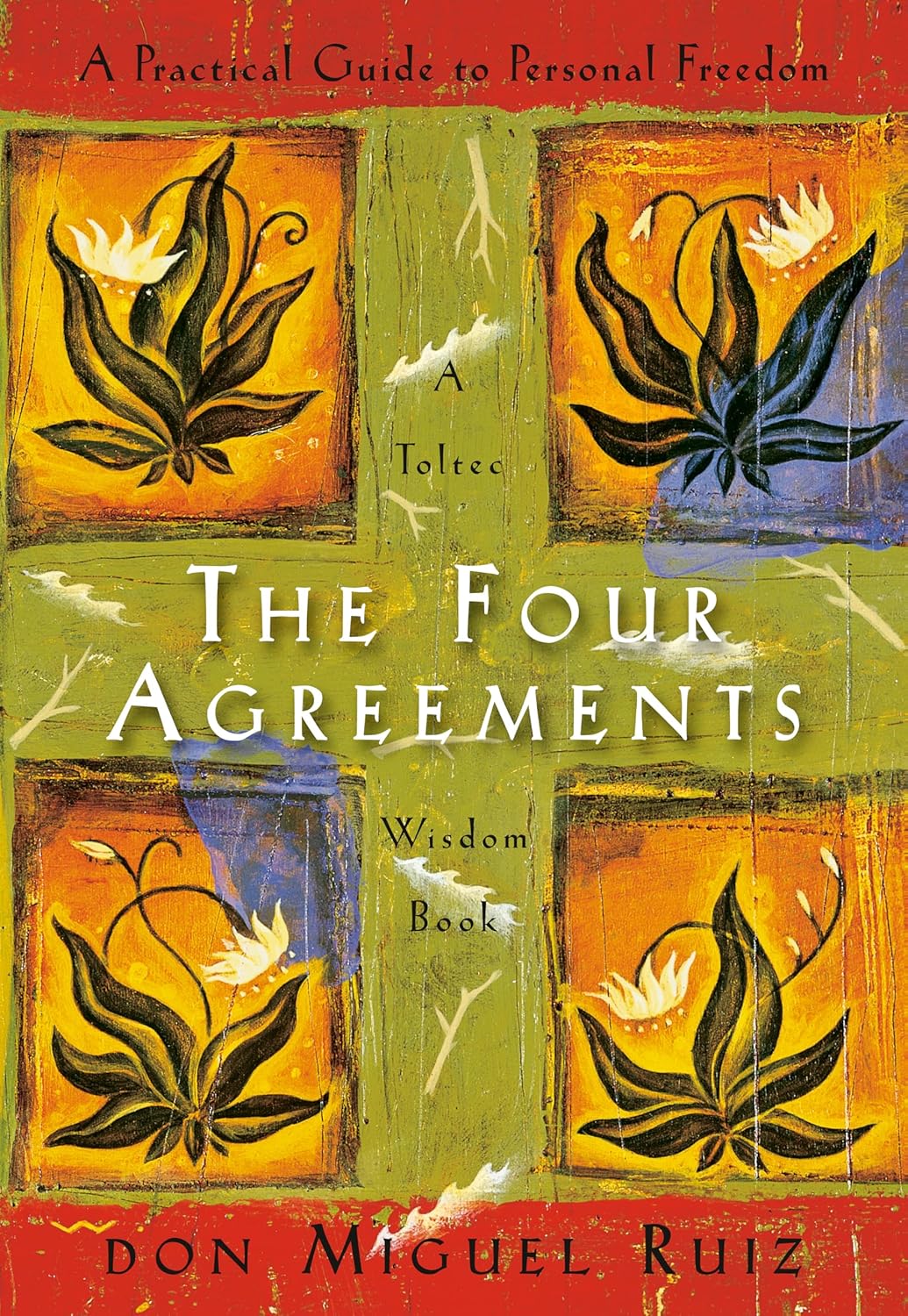
Domestication and the Dream of the Planet
Summary:
Don Miguel Ruiz describes how human beings are "domesticated"—conditioned by parents, teachers, and society—to adopt a collective set of beliefs and rules he calls the "dream of the planet." This conditioning creates agreements that define identity, limit freedom, and produce fear and suffering.
Key points:
- Domestication begins in childhood through praise, punishment, and imitation.
- The "dream of the planet" is the shared cultural story that shapes perceptions and behavior.
- Individuals internalize agreements that become their personal identity and truth.
- These agreements often produce fear, self
- judgment, and a false sense of self.
- Awareness of this conditioning is the first step toward change.
Themes & relevance:
The chapter highlights how social conditioning determines much of our mental and emotional life, making the work of personal freedom a deliberate, conscious effort. Understanding domestication is relevant to anyone seeking to change ingrained habits and beliefs.
Takeaway / How to use:
Begin observing the agreements you've inherited and note how they influence your thoughts and actions.
Key points
- Domestication begins in childhood through praise, punishment, and imitation.
- The "dream of the planet" is the shared cultural story that shapes perceptions and behavior.
- Individuals internalize agreements that become their personal identity and truth.
- These agreements often produce fear, self
- judgment, and a false sense of self.
- Awareness of this conditioning is the first step toward change.
The First Agreement: Be Impeccable with Your Word
Summary:
The first agreement teaches that the word is powerful and should be used with integrity: speak truthfully and with love, avoiding gossip and self-criticism. Being impeccable with your word transforms how you relate to others and to yourself by aligning language with truth and constructive intent.
Key points:
- Words create reality; they can build or destroy.
- Avoid using the word to speak against yourself or others (no gossip or self
- abuse).
- Use your word to express truth and to spread love rather than fear.
- Impeccability includes honest self
- talk and resisting manipulation by language.
Themes & relevance:
Language is a primary tool for shaping experience and relationships; mastering speech supports psychological freedom and healthier interactions. This is relevant for improving communication, self-esteem, and ethical behavior.
Takeaway / How to use:
Practice speaking truthfully and kindly to yourself and others.
Key points
- Words create reality; they can build or destroy.
- Avoid using the word to speak against yourself or others (no gossip or self
- abuse).
- Use your word to express truth and to spread love rather than fear.
- Impeccability includes honest self
- talk and resisting manipulation by language.
The Second Agreement: Don’t Take Anything Personally
Summary:
This agreement explains that what others say and do is a projection of their own reality and has little to do with you, so taking things personally only causes needless suffering. By recognizing that opinions and actions stem from others' beliefs and wounds, you can remain emotionally independent and resilient.
Key points:
- Other people's words and actions reflect their own dream, not your worth.
- Taking things personally makes you vulnerable to needless emotional pain.
- Emotional immunity reduces reactivity to praise and criticism alike.
- Freedom comes from refusing to make others' behavior a measure of your value.
Themes & relevance:
The theme is personal sovereignty: protecting your inner state from external judgments to preserve peace of mind. This is relevant for managing relationships, criticism, and social pressure.
Takeaway / How to use:
When you feel attacked, remind yourself that it reflects the other person's dream, not your truth.
Key points
- Other people's words and actions reflect their own dream, not your worth.
- Taking things personally makes you vulnerable to needless emotional pain.
- Emotional immunity reduces reactivity to praise and criticism alike.
- Freedom comes from refusing to make others' behavior a measure of your value.
The Third Agreement: Don’t Make Assumptions
Summary:
Ruiz argues that making assumptions creates misunderstandings and unnecessary conflict; instead, we should ask questions and communicate clearly. Replacing assumptions with honest inquiry prevents the stories we invent from controlling our relationships and emotions.
Key points:
- Assumptions lead to miscommunication, drama, and hurt feelings.
- Ask questions and express what you really want to ensure clarity.
- Communicate clearly to avoid inventing stories about others' intentions.
- Practicing curiosity reduces fear and strengthens trust.
Themes & relevance:
The chapter promotes clarity and responsibility in communication as foundations for healthier relationships and fewer conflicts. This is useful in personal and professional contexts where misunderstandings are common.
Takeaway / How to use:
Stop assuming—ask clear questions and confirm meanings before reacting.
Key points
- Assumptions lead to miscommunication, drama, and hurt feelings.
- Ask questions and express what you really want to ensure clarity.
- Communicate clearly to avoid inventing stories about others' intentions.
- Practicing curiosity reduces fear and strengthens trust.
The Fourth Agreement: Always Do Your Best
Summary:
The fourth agreement advises committing to do your best in every moment, recognizing that your best will vary with circumstances and energy levels. Consistently doing your best prevents self-judgment, regret, and the paralysis of perfectionism while integrating the other agreements into daily practice.
Key points:
- "Doing your best" is a dynamic standard that changes with context (health, mood, skill).
- Effort, not perfection, removes guilt and self
- recrimination.
- Applying this agreement reinforces the first three agreements and promotes growth.
- Regular practice makes transformation sustainable and realistic.
Themes & relevance:
The theme is compassionate discipline: steady effort informed by self-acceptance creates lasting change. This is relevant for habit formation, creative work, and emotional wellbeing.
Takeaway / How to use:
Commit to doing your best under current conditions, without judging the outcome.
Key points
- "Doing your best" is a dynamic standard that changes with context (health, mood, skill).
- Effort, not perfection, removes guilt and self
- recrimination.
- Applying this agreement reinforces the first three agreements and promotes growth.
- Regular practice makes transformation sustainable and realistic.
Breaking Old Agreements
Summary:
This chapter outlines the process of identifying and dismantling the limiting agreements formed by domestication, emphasizing awareness, forgiveness, and repetitive practice of new agreements. Ruiz describes emotional obstacles like fear and the need for patience while relearning how to live according to personal truth.
Key points:
- Identify old agreements by observing automatic thoughts and reactions.
- Confront fear and guilt that arise when challenging long
- held beliefs.
- Use the four agreements as practical tools to replace limiting patterns.
- Transformation requires repetition, forgiveness, and self
- compassion.
- Expect setbacks and treat them as part of the learning process.
Themes & relevance:
The chapter highlights that undoing conditioning is a gradual, disciplined process requiring both honesty and kindness toward oneself. It's relevant for anyone committed to lasting behavioral and psychological change.
Takeaway / How to use:
Choose one limiting agreement to notice and practice replacing each day.
Key points
- Identify old agreements by observing automatic thoughts and reactions.
- Confront fear and guilt that arise when challenging long
- held beliefs.
- Use the four agreements as practical tools to replace limiting patterns.
- Transformation requires repetition, forgiveness, and self
- compassion.
- Expect setbacks and treat them as part of the learning process.
A New Dream
Summary:
Ruiz invites readers to adopt a new personal and collective dream rooted in freedom, love, and truth, built by living the four agreements. As individuals shift their agreements, they contribute to changing the "dream of the planet" toward greater harmony.
Key points:
- Creating a new dream starts with applying the four agreements consistently.
- Personal transformation has a ripple effect on family, community, and culture.
- The new dream emphasizes authenticity, responsibility, and love.
- Sustained practice turns individual change into collective evolution.
Themes & relevance:
The chapter frames personal change as a contribution to a larger cultural shift from fear to love, underscoring responsibility and hope. This resonates with anyone seeking meaningful social or spiritual change.
Takeaway / How to use:
Begin living the four agreements daily to help create a new, healthier dream.
Key points
- Creating a new dream starts with applying the four agreements consistently.
- Personal transformation has a ripple effect on family, community, and culture.
- The new dream emphasizes authenticity, responsibility, and love.
- Sustained practice turns individual change into collective evolution.