Quiz questions
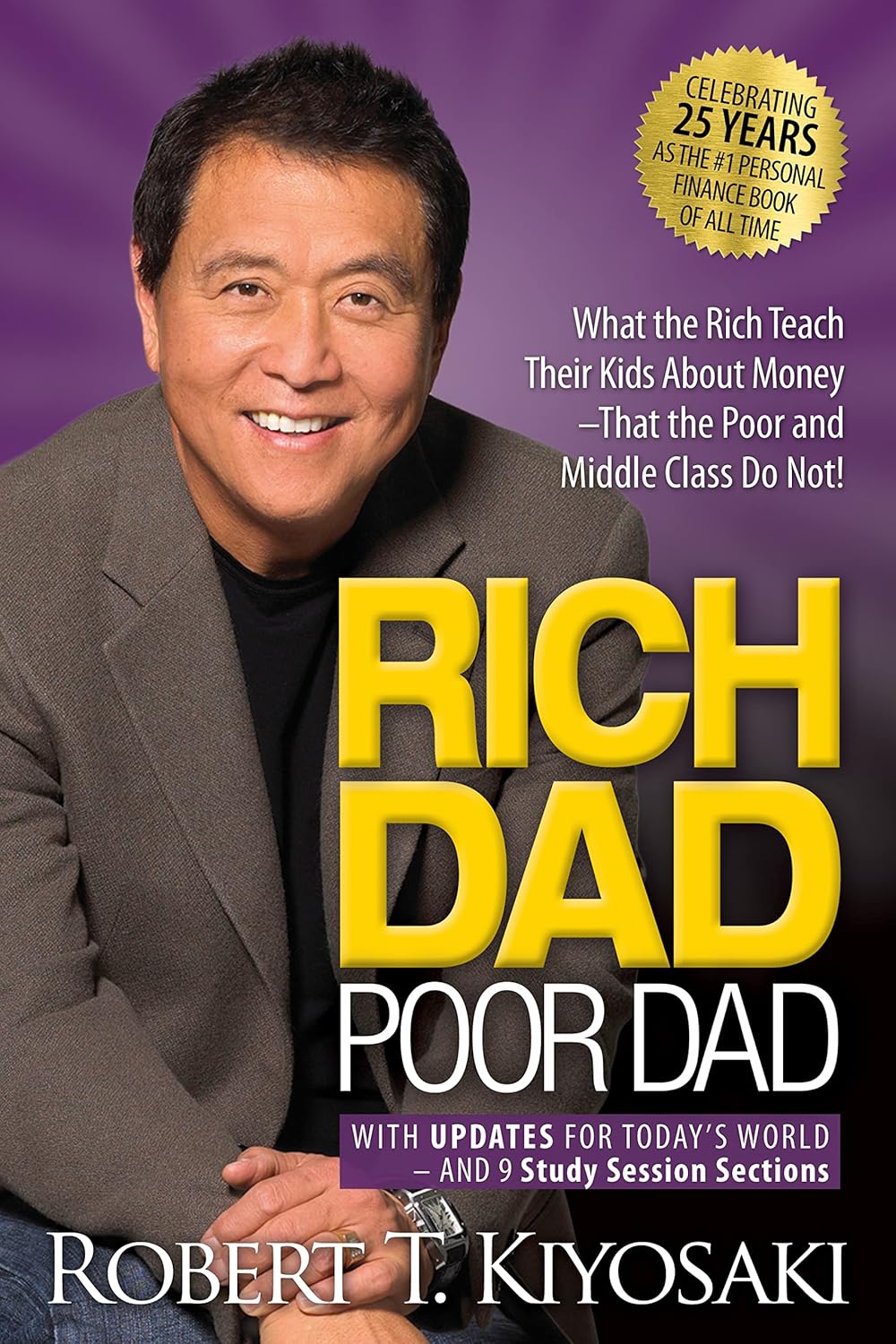
According to Rich Dad Poor Dad, how do the rich handle money differently from the poor and middle class?
- They make money work for them (focus on creating assets that generate income)
- They work harder for a paycheck and save what remains
- They avoid all risks and keep money in cash
- They rely solely on formal education for financial success
What key financial concept does Kiyosaki say is essential to build true wealth?
- Knowing the difference between assets and liabilities and focusing on acquiring assets
- Maximizing household consumption to stimulate economic growth
- Relying on employer-provided benefits as your main asset
- Paying off every expense immediately regardless of its return
What does Kiyosaki mean by 'Mind Your Own Business'?
- Focus on building your own asset column—businesses, investments, intellectual property—rather than only advancing someone else’s business
- Switch jobs frequently to avoid employer loyalty
- Spend most of your income on personal branding and appearance
- Invest only in real estate and ignore other asset types
How does the book describe the advantage wealthy people gain from corporations and tax history?
- Wealthy people use corporations and legal structures to reduce taxes and protect/grow wealth
- Corporations were created to increase taxes on the wealthy exclusively
- Taxes have no impact on investment decisions
- Individuals always get better tax benefits than corporations
What career advice does Kiyosaki give in 'Work to Learn — Don’t Work for Money'?
- Choose jobs to learn valuable skills (sales, marketing, communication, accounting) rather than for immediate high pay
- Stay in one high-paying job for life to maximize pension benefits
- Seek only academic qualifications and avoid practical skill-building
- Refuse any job that doesn't pay you at market-leading salaries immediately
Active recall prompts
According to Rich Dad Poor Dad, how do the rich handle money differently from the poor and middle class?
What key financial concept does Kiyosaki say is essential to build true wealth?
What does Kiyosaki mean by 'Mind Your Own Business'?
How does the book describe the advantage wealthy people gain from corporations and tax history?
What is the main idea of "Lesson 1: The Rich Don't Work for Money", and how would you explain it without looking back?
What is the main idea of "Lesson 2: Why Teach Financial Literacy?", and how would you explain it without looking back?
What is the main idea of "Lesson 3: Mind Your Own Business", and how would you explain it without looking back?
What is the main idea of "Lesson 4: The History of Taxes and the Power of Corporations", and how would you explain it without looking back?