Takeaways people can pass on
These cards are tuned for social discoverability: one clean idea, one strong visual treatment, and one tap to share on mobile.
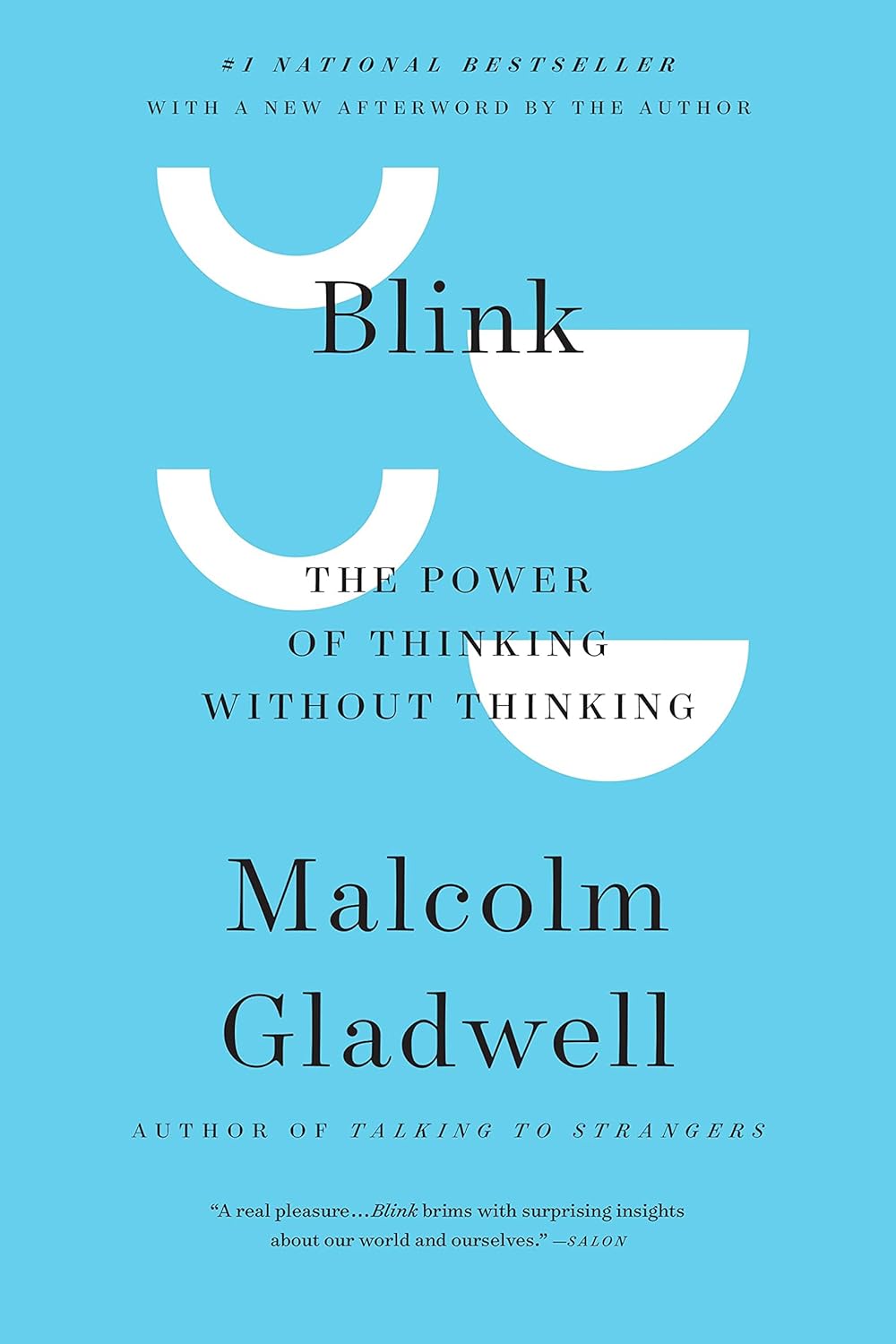
Blink: The Power of Thinking Without Thinking
by Malcolm Gladwell
Thin
Turn the useful part of the book into something worth passing on.
Blink: The Power of Thinking Without Thinking
by Malcolm Gladwell
slicing refers to making quick inferences from narrow slices of experience.
Turn the useful part of the book into something worth passing on.
slicing refers to making quick inferences from narrow slices of experience.
Share with the ReadSprint source so others can read the context.
Blink: The Power of Thinking Without Thinking
by Malcolm Gladwell
The unconscious processes relevant information fast and filters out noise.
Turn the useful part of the book into something worth passing on.
The unconscious processes relevant information fast and filters out noise.
Share with the ReadSprint source so others can read the context.
Blink: The Power of Thinking Without Thinking
by Malcolm Gladwell
Accuracy of thin
Turn the useful part of the book into something worth passing on.
Accuracy of thin
Share with the ReadSprint source so others can read the context.
Blink: The Power of Thinking Without Thinking
by Malcolm Gladwell
slicing depends on experience, context, and what information is sampled.
Turn the useful part of the book into something worth passing on.
slicing depends on experience, context, and what information is sampled.
Share with the ReadSprint source so others can read the context.
Blink: The Power of Thinking Without Thinking
by Malcolm Gladwell
Overthinking can sometimes degrade judgments that would be better made intuitively.
Turn the useful part of the book into something worth passing on.
Overthinking can sometimes degrade judgments that would be better made intuitively.
Share with the ReadSprint source so others can read the context.
Blink: The Power of Thinking Without Thinking
by Malcolm Gladwell
Practice recognizing when quick, experienced-based judgments are appropriate and when deeper analysis is needed.
Turn the useful part of the book into something worth passing on.
Practice recognizing when quick, experienced-based judgments are appropriate and when deeper analysis is needed.
Share with the ReadSprint source so others can read the context.
Blink: The Power of Thinking Without Thinking
by Malcolm Gladwell
The chapter establishes the central idea that rapid cognition matters in everyday decisions and professional contexts, framing later examples of both its power and pitfalls. This is relevant for anyone balancing intuition and analysis.
Turn the useful part of the book into something worth passing on.
The chapter establishes the central idea that rapid cognition matters in everyday decisions and professional contexts, framing later examples of both its power and pitfalls. This is relevant for anyone balancing intuition and analysis.
Share with the ReadSprint source so others can read the context.
Blink: The Power of Thinking Without Thinking
by Malcolm Gladwell
Thin-slicing is the ability of our unconscious to find patterns and make rapid judgments from very limited information. Gladwell argues these snap judgments can be surprisingly accurate and useful, often rivaling more deliberate analysis w…
Turn the useful part of the book into something worth passing on.
Thin-slicing is the ability of our unconscious to find patterns and make rapid judgments from very limited information. Gladwell argues these snap judgments can be surprisingly accurate and useful, often rivaling more deliberate analysis when conditions are right.
Share with the ReadSprint source so others can read the context.
Blink: The Power of Thinking Without Thinking
by Malcolm Gladwell
People often cannot accurately report the reasons for their snap judgments.
Turn the useful part of the book into something worth passing on.
People often cannot accurately report the reasons for their snap judgments.
Share with the ReadSprint source so others can read the context.
Blink: The Power of Thinking Without Thinking
by Malcolm Gladwell
Verbalizing the process of intuition can disrupt performance and lead to worse outcomes.
Turn the useful part of the book into something worth passing on.
Verbalizing the process of intuition can disrupt performance and lead to worse outcomes.
Share with the ReadSprint source so others can read the context.
Blink: The Power of Thinking Without Thinking
by Malcolm Gladwell
Experiments show implicit processes drive choices even when conscious explanations are offered.
Turn the useful part of the book into something worth passing on.
Experiments show implicit processes drive choices even when conscious explanations are offered.
Share with the ReadSprint source so others can read the context.