Takeaways people can pass on
These cards are tuned for social discoverability: one clean idea, one strong visual treatment, and one tap to share on mobile.
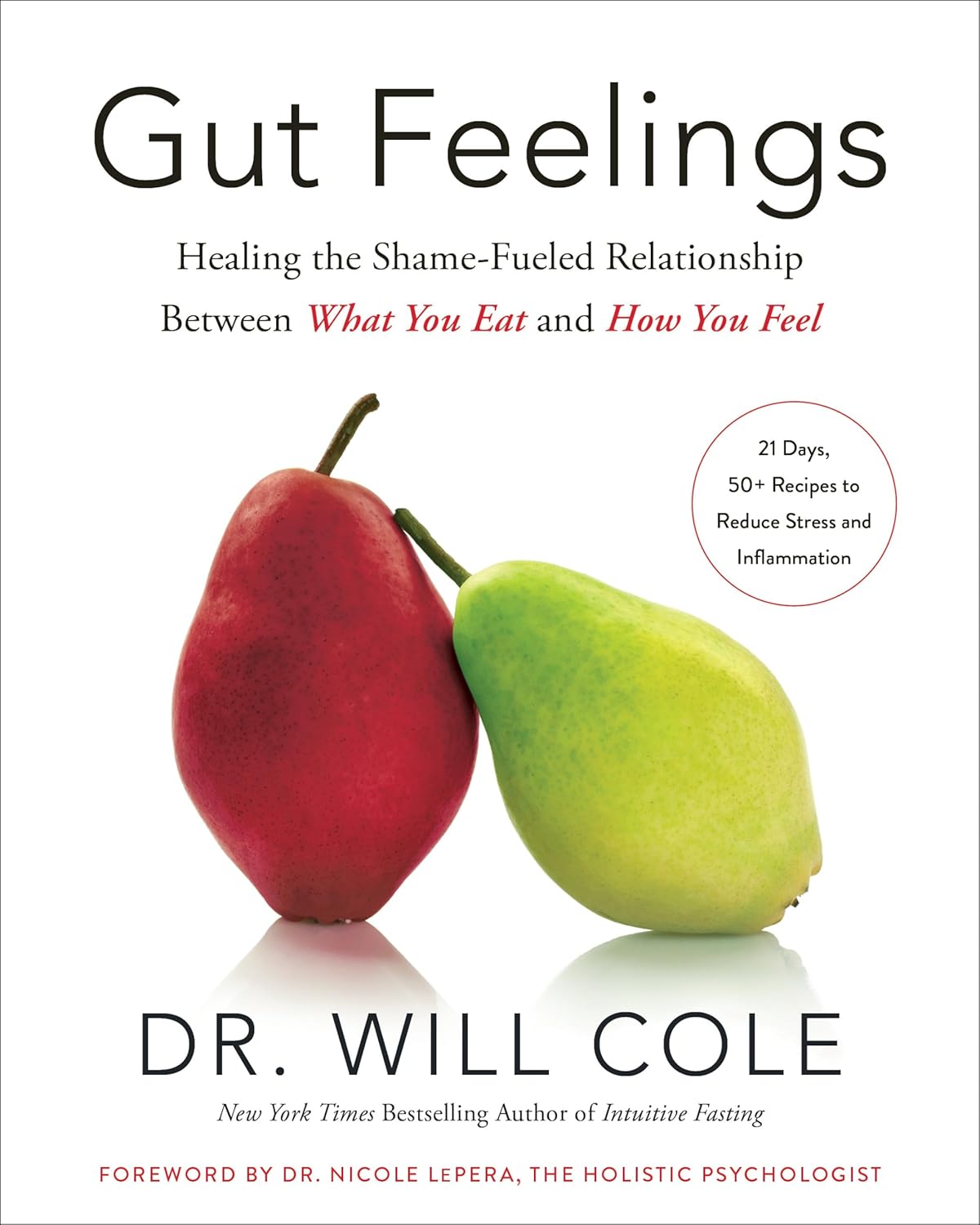
Gut Feelings: Healing the Shame-Fueled Relationship Between What You Eat and How You Feel
by Dr. Will Cole
Eating is described as an emotionally charged behavior shaped by social, psychological, and physiological signals.
Turn the useful part of the book into something worth passing on.
Eating is described as an emotionally charged behavior shaped by social, psychological, and physiological signals.
Share with the ReadSprint source so others can read the context.
Gut Feelings: Healing the Shame-Fueled Relationship Between What You Eat and How You Feel
by Dr. Will Cole
Shame is presented as a common barrier to noticing and responding to internal cues.
Turn the useful part of the book into something worth passing on.
Shame is presented as a common barrier to noticing and responding to internal cues.
Share with the ReadSprint source so others can read the context.
Gut Feelings: Healing the Shame-Fueled Relationship Between What You Eat and How You Feel
by Dr. Will Cole
The book promises an integrative approach combining neuroscience, nutrition, and trauma
Turn the useful part of the book into something worth passing on.
The book promises an integrative approach combining neuroscience, nutrition, and trauma
Share with the ReadSprint source so others can read the context.
Gut Feelings: Healing the Shame-Fueled Relationship Between What You Eat and How You Feel
by Dr. Will Cole
aware practices.
Turn the useful part of the book into something worth passing on.
aware practices.
Share with the ReadSprint source so others can read the context.
Gut Feelings: Healing the Shame-Fueled Relationship Between What You Eat and How You Feel
by Dr. Will Cole
Begin by noticing bodily sensations around hunger, fullness, and emotion without judgment.
Turn the useful part of the book into something worth passing on.
Begin by noticing bodily sensations around hunger, fullness, and emotion without judgment.
Share with the ReadSprint source so others can read the context.
Gut Feelings: Healing the Shame-Fueled Relationship Between What You Eat and How You Feel
by Dr. Will Cole
The chapter establishes compassion, curiosity, and biology-informed care as recurring themes, making the book relevant for anyone struggling with food related shame or emotional eating. It positions self-awareness of bodily signals as the…
Turn the useful part of the book into something worth passing on.
The chapter establishes compassion, curiosity, and biology-informed care as recurring themes, making the book relevant for anyone struggling with food related shame or emotional eating. It positions self-awareness of bodily signals as the starting point for change.
Share with the ReadSprint source so others can read the context.
Gut Feelings: Healing the Shame-Fueled Relationship Between What You Eat and How You Feel
by Dr. Will Cole
This introduction frames the central idea that the way we eat is deeply entwined with emotions, body signals, and shame; it invites readers to listen to their gut rather than punish it. It sets a compassionate, evidence-informed tone and o…
Turn the useful part of the book into something worth passing on.
This introduction frames the central idea that the way we eat is deeply entwined with emotions, body signals, and shame; it invites readers to listen to their gut rather than punish it. It sets a compassionate, evidence-informed tone and outlines why understanding gut feelings matters for healing both eating habits and emotional life.
Share with the ReadSprint source so others can read the context.
Gut Feelings: Healing the Shame-Fueled Relationship Between What You Eat and How You Feel
by Dr. Will Cole
Shame often precedes and follows disordered choices, intensifying secrecy and shame
Turn the useful part of the book into something worth passing on.
Shame often precedes and follows disordered choices, intensifying secrecy and shame
Share with the ReadSprint source so others can read the context.
Gut Feelings: Healing the Shame-Fueled Relationship Between What You Eat and How You Feel
by Dr. Will Cole
driven behaviors.
Turn the useful part of the book into something worth passing on.
driven behaviors.
Share with the ReadSprint source so others can read the context.
Gut Feelings: Healing the Shame-Fueled Relationship Between What You Eat and How You Feel
by Dr. Will Cole
Diet culture and social stigma reinforce internalized shame about eating and bodies.
Turn the useful part of the book into something worth passing on.
Diet culture and social stigma reinforce internalized shame about eating and bodies.
Share with the ReadSprint source so others can read the context.
Gut Feelings: Healing the Shame-Fueled Relationship Between What You Eat and How You Feel
by Dr. Will Cole
Shame disconnects people from internal hunger and satiety cues, undermining intuitive eating.
Turn the useful part of the book into something worth passing on.
Shame disconnects people from internal hunger and satiety cues, undermining intuitive eating.
Share with the ReadSprint source so others can read the context.
Gut Feelings: Healing the Shame-Fueled Relationship Between What You Eat and How You Feel
by Dr. Will Cole
Healing requires replacing self
Turn the useful part of the book into something worth passing on.
Healing requires replacing self
Share with the ReadSprint source so others can read the context.