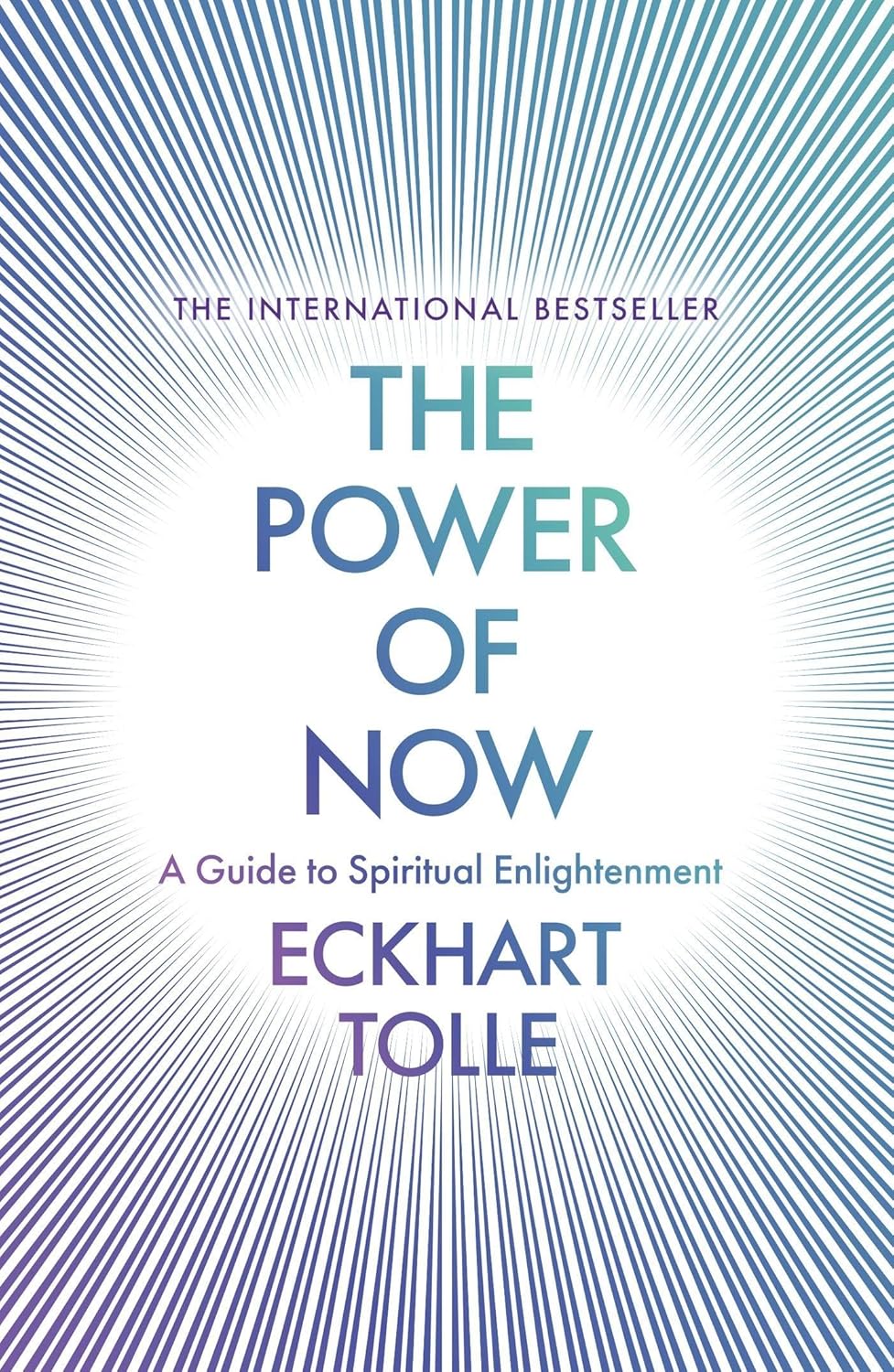
You Are Not Your Mind
Summary:
The chapter explains that most human suffering arises from identifying with the incessant stream of thoughts and the egoic mind rather than with pure awareness. By becoming the observing presence that watches thoughts rather than being dominated by them, one can begin to disidentify from the mind and access the peace of the Now.
Key points:
- Identification with thoughts and the ego creates a false sense of self and continuous mental noise.
- The observing presence (witness) is distinct from thought and can be strengthened by attention.
- Disidentification from the mind reduces suffering and opens access to inner stillness.
- Thoughts are useful tools but become a problem when they dominate awareness.
Themes & relevance:
The central theme is that true identity is consciousness, not the mind, and recognizing this shifts one from reactivity to presence. This is relevant to anyone seeking relief from anxiety, compulsive thinking, or self-definition through mental narratives.
Takeaway / How to use:
Practice observing your thoughts for a few minutes daily to experience the space between thinker and thought.
Key points
- Identification with thoughts and the ego creates a false sense of self and continuous mental noise.
- The observing presence (witness) is distinct from thought and can be strengthened by attention.
- Disidentification from the mind reduces suffering and opens access to inner stillness.
- Thoughts are useful tools but become a problem when they dominate awareness.
Consciousness: The Way Out of Pain
Summary:
Tolle introduces the "pain-body," an accumulation of old emotional pain that feeds on negative thinking and drama, and shows that conscious presence is the means to dissolve it. By recognizing the pain
- body when it arises and bringing attention into the present, its power over you diminishes.
Key points:
- The pain
- body is an emotional entity composed of past pain that reactivates through thought and identification.
- Pain
- body feeds on negativity and seeks to perpetuate itself via unconscious reactions and drama.
- Awareness and non
- resistance to present emotion disempower the pain-body and allow it to dissolve.
- Surrender and acceptance of the Now are practical antidotes to emotional reactivity.
Themes & relevance:
Theme: healing through presence rather than through mental analysis; this reframes emotional suffering as energy that can be transformed by conscious attention. It is relevant for managing recurring emotional patterns and improving emotional resilience.
Takeaway / How to use:
When you notice strong negative emotion, observe it without judgment and bring attention to your body to weaken the pain-body.
Key points
- The pain
- body is an emotional entity composed of past pain that reactivates through thought and identification.
- Pain
- body feeds on negativity and seeks to perpetuate itself via unconscious reactions and drama.
- Awareness and non
- resistance to present emotion disempower the pain-body and allow it to dissolve.
- Surrender and acceptance of the Now are practical antidotes to emotional reactivity.
Moving Deeply into the Now
Summary:
This chapter offers practical guidance for anchoring awareness in the present moment by shifting attention away from past/future thinking into bodily and sensory presence. Tolle emphasizes that deepening into the Now breaks the habit of mental time and reveals a sustained sense of aliveness and inner peace.
Key points:
- Psychological time (identifying with past and future) sustains mind
- made problems; real life occurs in the Now.
- Anchoring attention in the body, breath, or sensory perception brings you into present awareness.
- Acceptance of the present moment dissolves inner resistance and opens access to stillness.
- Small practices and moments of conscious pause build the capacity for continuous presence.
Themes & relevance:
Theme: practical techniques to move from conceptual thinking into lived presence; this is relevant for reducing stress and increasing clarity in daily life. It ties spiritual insight to everyday practice.
Takeaway / How to use:
Regularly bring attention to your breath or bodily sensations to re-anchor in the Now.
Key points
- Psychological time (identifying with past and future) sustains mind
- made problems; real life occurs in the Now.
- Anchoring attention in the body, breath, or sensory perception brings you into present awareness.
- Acceptance of the present moment dissolves inner resistance and opens access to stillness.
- Small practices and moments of conscious pause build the capacity for continuous presence.
Mind Strategies for Avoiding the Now
Summary:
Tolle outlines common mental tactics the mind uses to avoid presence, such as addiction to drama, compulsive thinking, and identifying with roles or problems. Recognizing these avoidance strategies allows you to interrupt them and return to conscious presence.
Key points:
- The mind resists the present through worry, blame, repetitive thinking, and creating identity stories.
- Addictive mental behaviors and the pain
- body often collaborate to keep you unconscious.
- Egoic structures (need for validation, superiority/inferiority) are strategies to maintain psychological time.
- Awareness of these patterns is the first step in dissolving them and reclaiming the Now.
Themes & relevance:
Theme: the egoic mind actively dodges presence to preserve itself, so conscious recognition is necessary to break habitual avoidance. This helps explain why insight alone often fails without sustained awareness.
Takeaway / How to use:
When you catch yourself ruminating or seeking drama, pause and label the activity as a mind-avoidance strategy and return to your senses.
Key points
- The mind resists the present through worry, blame, repetitive thinking, and creating identity stories.
- Addictive mental behaviors and the pain
- body often collaborate to keep you unconscious.
- Egoic structures (need for validation, superiority/inferiority) are strategies to maintain psychological time.
- Awareness of these patterns is the first step in dissolving them and reclaiming the Now.
The State of Presence
Summary:
Tolle describes Presence as a state of being beyond mental activity characterized by inner peace, clarity, and aliveness; it is accessible at any moment when thought subsides. Cultivating Presence changes one's relationship to life from reactive to receptive and reveals deeper intelligence.
Key points:
- Presence is the felt sense of being here now, free from compulsive thinking and identification.
- Qualities of Presence include peace, joy, stillness, and heightened perception.
- Non
- resistance and acceptance deepen Presence and allow its benefits to permeate daily life.
- Presence is not an achievement but the natural state accessed by letting go of mental clutter.
Themes & relevance:
Theme: awakening to Presence transforms inner life and responses to external events; it is relevant for improving mental health, creativity, and relationships. The chapter connects inner experience with practical living.
Takeaway / How to use:
Pause throughout your day to notice the silence and aliveness beneath thought.
Key points
- Presence is the felt sense of being here now, free from compulsive thinking and identification.
- Qualities of Presence include peace, joy, stillness, and heightened perception.
- Non
- resistance and acceptance deepen Presence and allow its benefits to permeate daily life.
- Presence is not an achievement but the natural state accessed by letting go of mental clutter.
The Inner Body
Summary:
The chapter teaches a practice of feeling and sustaining awareness of the inner energy field of the body as a primary portal to presence and being. By directing attention inward and sensing the aliveness in the body, one stabilizes awareness and reduces the dominance of thinking.
Key points:
- The "inner body" is an energetic sense of aliveness within the physical form that can be directly felt.
- Focusing on the inner body anchors attention in the present and weakens thought
- driven identity.
- Regular inner
- body awareness increases vitality, reduces anxiety, and deepens spiritual presence.
- The practice is simple: turn attention inward, feel the subtle sensations, and stay with them.
Themes & relevance:
Theme: embodiment as the practical way to live presence; sensing the inner body integrates spirituality with physiology and supports sustained awareness. It is relevant for those who struggle to calm the mind through thinking alone.
Takeaway / How to use:
Spend a few minutes daily bringing gentle attention into the felt sense of your body to ground presence.
Key points
- The "inner body" is an energetic sense of aliveness within the physical form that can be directly felt.
- Focusing on the inner body anchors attention in the present and weakens thought
- driven identity.
- Regular inner
- body awareness increases vitality, reduces anxiety, and deepens spiritual presence.
- The practice is simple: turn attention inward, feel the subtle sensations, and stay with them.
Portals into the Unmanifested
Summary:
Tolle identifies several "portals"—silence, stillness, surrender, and the recognition of death—through which one can access the unmanifested formless dimension of consciousness beyond phenomena. Regularly entering these gateways allows glimpses of the source of being and stabilizes presence.
Key points:
- The unmanifested is the formless ground of consciousness accessible through silence, inner stillness, and surrender.
- Portals include meditation, deep listening, nature, conscious breathing, and facing the reality of death.
- Experiences of the unmanifested are temporary but can be deepened and integrated through practice.
- Contact with the unmanifested reduces fear, increases inner freedom, and reveals a deeper sense of identity.
Themes & relevance:
Theme: connection with the formless source is available via practical gateways and is essential for sustained spiritual realization. This is relevant for anyone seeking deeper meaning beyond thoughts and forms.
Takeaway / How to use:
Use moments of silence, nature, or conscious surrender to touch the formless presence within.
Key points
- The unmanifested is the formless ground of consciousness accessible through silence, inner stillness, and surrender.
- Portals include meditation, deep listening, nature, conscious breathing, and facing the reality of death.
- Experiences of the unmanifested are temporary but can be deepened and integrated through practice.
- Contact with the unmanifested reduces fear, increases inner freedom, and reveals a deeper sense of identity.
Enlightened Relationships
Summary:
This chapter explains how presence transforms relationships by removing unconscious patterns, neediness, and reactivity so that true connection and conscious love can arise. Relationships become spiritual practice when used as mirrors to reveal egoic conditioning and to deepen mutual presence.
Key points:
- Most relationships are driven by unconscious needs, the pain
- body, and expectations, which cause conflict and suffering.
- Presence allows acceptance of the other as they are and dissolves the reactive dynamics that maintain separation.
- Enlightened relationships involve two individuals who practice inner presence, responsibility, and non
- attachment.
- Communication from presence is honest, compassionate, and free from compulsive demands for validation.
Themes & relevance:
Theme: relationships are both the arena for egoic reactivity and the opportunity for mutual awakening; presence transforms relating into spiritual practice. This directly applies to improving intimacy, reducing conflict, and cultivating authentic connection.
Takeaway / How to use:
When interacting with others, return to your own presence and listen without needing to fix or be fixed.
Key points
- Most relationships are driven by unconscious needs, the pain
- body, and expectations, which cause conflict and suffering.
- Presence allows acceptance of the other as they are and dissolves the reactive dynamics that maintain separation.
- Enlightened relationships involve two individuals who practice inner presence, responsibility, and non
- attachment.
- Communication from presence is honest, compassionate, and free from compulsive demands for validation.
Beyond Happiness and Unhappiness There Is Peace
Summary:
Eckhart Tolle explains that true peace lies deeper than the fluctuating states of happiness and unhappiness and is accessed by dis-identifying from the mind and emotional reactions. By bringing attention into the present moment and the felt sense of the inner body, one discovers a steadier presence that is not dependent on external conditions.
Key points:
- Peace is a state beyond the duality of pleasant and unpleasant emotions, available through presence.
- Identifying with thoughts and feelings causes emotional volatility; observing them creates space.
- Acceptance of the present moment reduces resistance and diminishes suffering.
- Anchoring attention in the inner body helps stabilize presence and dissolve identification with the mind.
- Inner peace allows clearer perception and right action, independent of circumstances.
Themes & relevance:
This chapter links practical practices of presence and body-awareness to emotional resilience, showing how inner stillness changes responses to daily stressors. It is relevant for anyone seeking steadier well
- being amid life’s ups and downs.
Takeaway / How to use:
When a mood arises, pause and bring attention to the inner body to observe the feeling without identifying with it.
Key points
- Peace is a state beyond the duality of pleasant and unpleasant emotions, available through presence.
- Identifying with thoughts and feelings causes emotional volatility; observing them creates space.
- Acceptance of the present moment reduces resistance and diminishes suffering.
- Anchoring attention in the inner body helps stabilize presence and dissolve identification with the mind.
- Inner peace allows clearer perception and right action, independent of circumstances.
The Meaning of Surrender
Summary:
Tolle defines surrender as the inner acceptance of what is—letting go of mental resistance to the present moment—which paradoxically brings power and freedom rather than passivity. Surrender is not resignation; it is a clear-minded allowance that opens the possibility for appropriate action from presence rather than reactive ego.
Key points:
- Surrender means accepting the present moment as it is, not condoning harmful situations but ceasing inner resistance.
- Resistance creates psychological pain; surrender dissolves that pain and clarifies perception.
- True surrender leads to right action emerging from presence, not from compulsive thinking or fear.
- Surrender differs from passive resignation: it is an inner alignment that can coexist with constructive engagement.
- Practicing short moments of inner acceptance when discomfort arises trains the capacity to surrender.
Themes & relevance:
The chapter reframes acceptance as an active spiritual practice that reduces suffering and improves decision-making in personal and professional life. It is particularly applicable for managing conflict, loss, and stress.
Takeaway / How to use:
When you notice resistance, quietly acknowledge the present moment and let go of inner struggle to allow wise action to arise.
Key points
- Surrender means accepting the present moment as it is, not condoning harmful situations but ceasing inner resistance.
- Resistance creates psychological pain; surrender dissolves that pain and clarifies perception.
- True surrender leads to right action emerging from presence, not from compulsive thinking or fear.
- Surrender differs from passive resignation: it is an inner alignment that can coexist with constructive engagement.
- Practicing short moments of inner acceptance when discomfort arises trains the capacity to surrender.