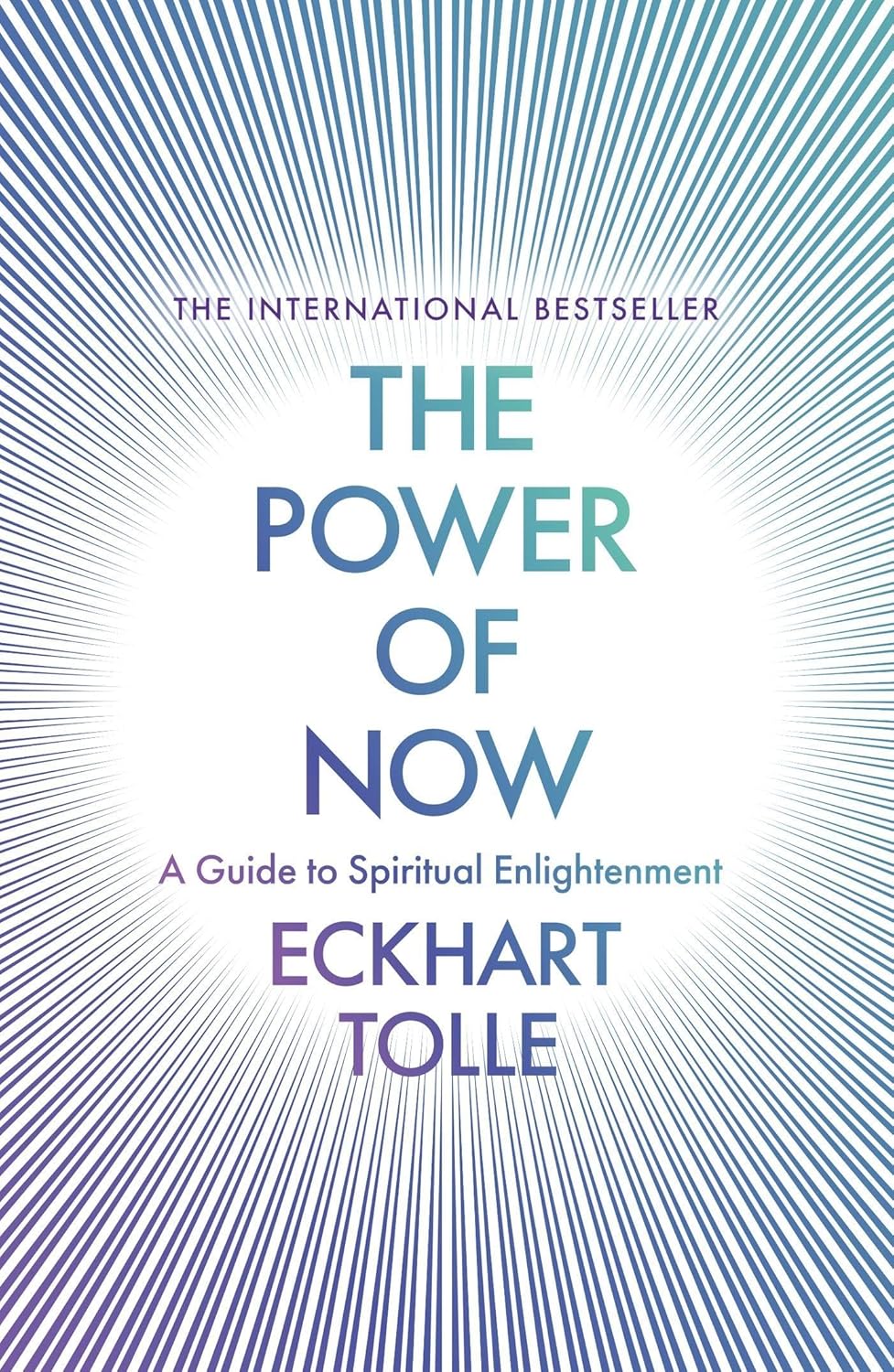
Book overview
The chapter explains that most human suffering arises from identifying with the incessant stream of thoughts and the egoic mind rather than with pure awareness. By becoming the observing presence that watches thoughts rather than being dominated by them, one can begin to disidentify from the mind and access the peace of the Now.
This page is built to be a compact learning hub for The Power of Now: A Guide to Spiritual Enlightenment. You can move from the high-level summary into takeaways, quiz prompts, chapter review, and related books without breaking the reading flow.
Best takeaways to keep
Identification with thoughts and the ego creates a false sense of self and continuous mental noise.
The observing presence (witness) is distinct from thought and can be strengthened by attention.
Disidentification from the mind reduces suffering and opens access to inner stillness.
Thoughts are useful tools but become a problem when they dominate awareness.
Practice observing your thoughts for a few minutes daily to experience the space between thinker and thought.
The central theme is that true identity is consciousness, not the mind, and recognizing this shifts one from reactivity to presence. This is relevant to anyone seeking relief from anxiety, compulsive thinking, or self-definition through mental narratives.
Retrieval practice
According to The Power of Now, what is the primary source of human suffering?
What is the "pain-body" and how is it most effectively dissolved?
Which practice does Tolle recommend to anchor awareness in the Now?
How does Tolle define "surrender" in the context of presence?
Quiz preview
According to The Power of Now, what is the primary source of human suffering?
- A lack of goals or ambition
- Identifying with the incessant stream of thoughts and the egoic mind
- Past events themselves (not your reaction to them)
What is the "pain-body" and how is it most effectively dissolved?
- A semi-autonomous accumulation of old emotional pain that feeds on negative thinking; it dissolves when observed with present-moment awareness
- A physical illness caused by stress; it dissolves through medication and rest
- A fixed personality trait inherited from parents; it dissolves through long-term therapy
Which practice does Tolle recommend to anchor awareness in the Now?
- Ruminating about the causes of your problems
- Continuously creating detailed future plans
- Focusing attention on bodily sensations and the felt sense of inner aliveness
How does Tolle define "surrender" in the context of presence?
- Passive resignation to circumstances
- Inner acceptance of what is without mental resistance, which brings clarity and effective action
- Giving up all goals and responsibilities
Chapter map
You Are Not Your Mind
The chapter explains that most human suffering arises from identifying with the incessant stream of thoughts and the egoic mind rather than with pure awareness. By becoming the observing presence that watches thoughts rather than being dominated by them, one can begin to disidentify from the mind and access the peace of the Now.
Consciousness: The Way Out of Pain
Tolle introduces the "pain-body," an accumulation of old emotional pain that feeds on negative thinking and drama, and shows that conscious presence is the means to dissolve it. By recognizing the pain body when it arises and bringing attention into the present, its power over you diminishes.
Moving Deeply into the Now
This chapter offers practical guidance for anchoring awareness in the present moment by shifting attention away from past/future thinking into bodily and sensory presence. Tolle emphasizes that deepening into the Now breaks the habit of mental time and reveals a sustained sense of aliveness and inner peace.
Mind Strategies for Avoiding the Now
Tolle outlines common mental tactics the mind uses to avoid presence, such as addiction to drama, compulsive thinking, and identifying with roles or problems. Recognizing these avoidance strategies allows you to interrupt them and return to conscious presence.
The State of Presence
Tolle describes Presence as a state of being beyond mental activity characterized by inner peace, clarity, and aliveness; it is accessible at any moment when thought subsides. Cultivating Presence changes one's relationship to life from reactive to receptive and reveals deeper intelligence.
Next best step
Move next into the questions page if you want better retention, or into the takeaways page if you want the shortest useful review loop for this book.