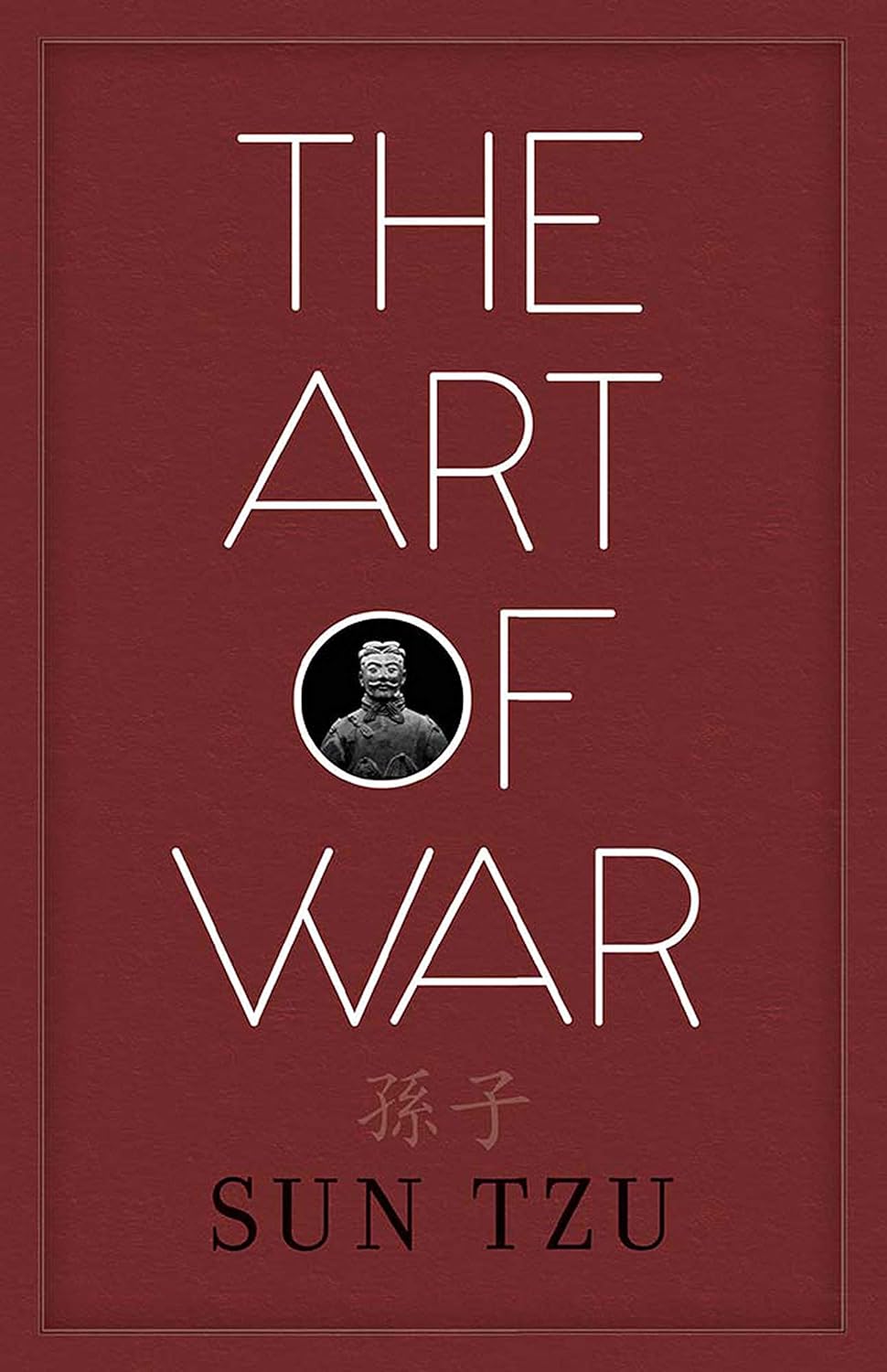
The Art of War: ReadSprint summary highlights
ReadSprint paraphrases for review. These highlights are not verbatim quotations from the book or its author. Check the original edition for exact wording and context.
The Art of War
by Sun Tzu
Sun Tzu outlines the fundamental factors that determine the outcome of conflict and emphasizes the necessity of careful assessment and calculation before engaging in war.
ReadSprint paraphrase · Not a quotation from the author.
Sun Tzu outlines the fundamental factors that determine the outcome of conflict and emphasizes the necessity of careful assessment and calculation before engaging in war.
Winning without fighting.
Share with the ReadSprint source so others can read the context.
The Art of War
by Sun Tzu
He argues that understanding moral alignment, environmental conditions, leadership, and organization allows commanders to predict victory or defeat and to plan accordingly.
ReadSprint paraphrase · Not a quotation from the author.
He argues that understanding moral alignment, environmental conditions, leadership, and organization allows commanders to predict victory or defeat and to plan accordingly.
Moral law, Heaven, Earth, the commander, method and discipline.
Share with the ReadSprint source so others can read the context.
The Art of War
by Sun Tzu
Winning without fighting.
ReadSprint paraphrase · Not a quotation from the author.
Winning without fighting.
Conduct swift, decisive campaigns and manage logistics to limit costs.
Share with the ReadSprint source so others can read the context.
The Art of War
by Sun Tzu
Moral law, Heaven, Earth, the commander, method and discipline.
ReadSprint paraphrase · Not a quotation from the author.
Moral law, Heaven, Earth, the commander, method and discipline.
Exploit the enemy's weak points, avoid their strengths, and use deception and speed.
Share with the ReadSprint source so others can read the context.
The Art of War
by Sun Tzu
Conduct swift, decisive campaigns and manage logistics to limit costs.
ReadSprint paraphrase · Not a quotation from the author.
Conduct swift, decisive campaigns and manage logistics to limit costs.
They provide critical, timely information that gives strategic certainty.
Share with the ReadSprint source so others can read the context.
The Art of War
by Sun Tzu
Exploit the enemy's weak points, avoid their strengths, and use deception and speed.
ReadSprint paraphrase · Not a quotation from the author.
Exploit the enemy's weak points, avoid their strengths, and use deception and speed.
Sun Tzu outlines the fundamental factors that determine the outcome of conflict and emphasizes the necessity of careful assessment and calculation before engaging in war. He argues that understanding moral alignment, environmental conditions, leadership, and organization allows commanders to predict victory or defeat and to plan accordingly.
Share with the ReadSprint source so others can read the context.
Use these highlights to review the book
Which highlight from The Art of War changes how you would explain the book to someone else?
Which lesson here is worth testing in a real decision this week?
Which highlight feels memorable but less actionable once you slow down and examine it?